Founder course for teenagers opens a route into London startups
Angel investors are running a free five-day London course for 16-18 year olds as work experience routes into tech narrow.
By Dominic Okoye · Staff Writer
· 3 min read
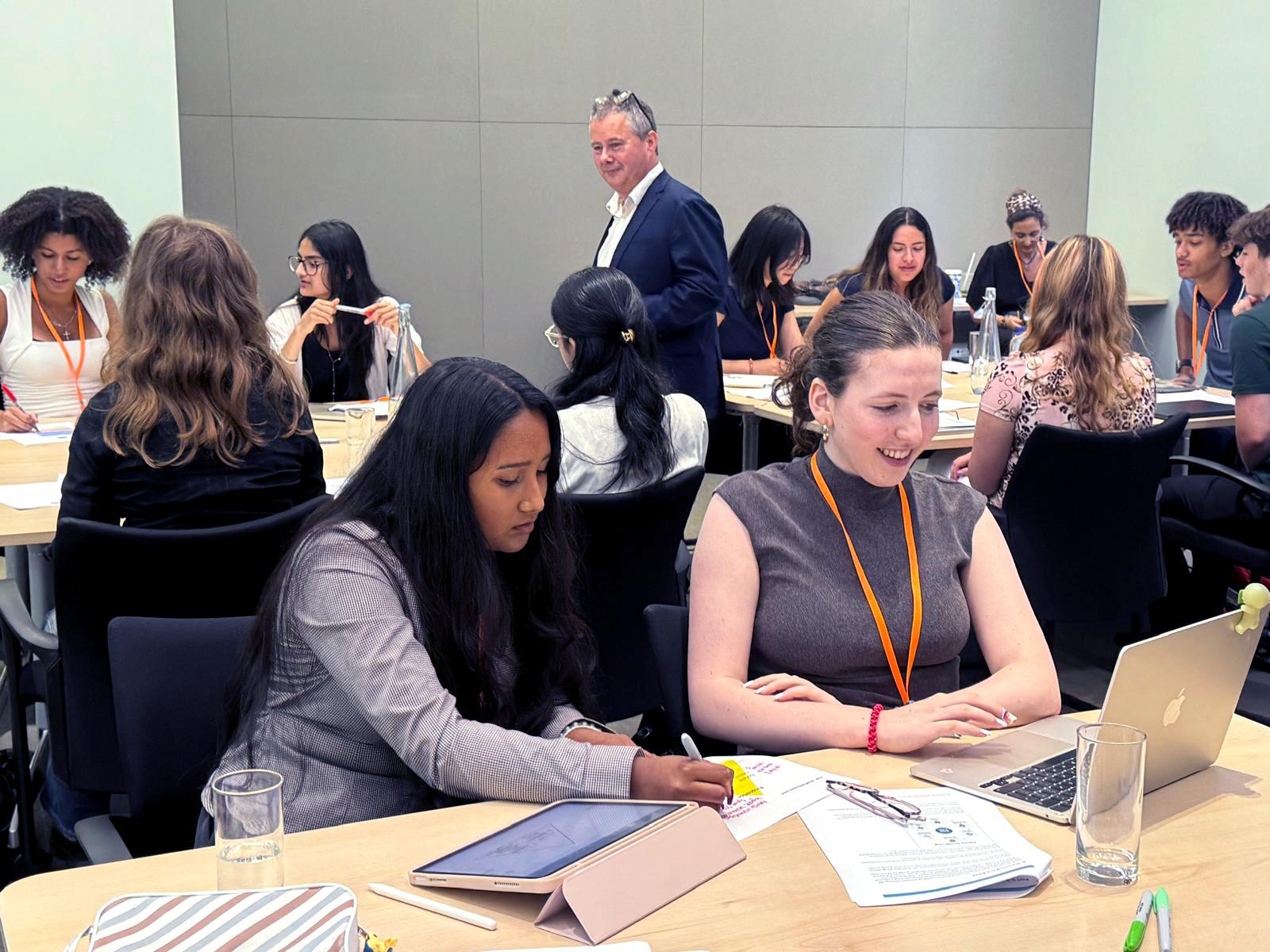
Angel investors Deborah Gruenberger and Isobel McDermott-Spencer are running a free founder course for teenagers in London, aiming to give 16-18 year olds early exposure to startups and venture investing. The five-day programme matters because the usual entry points into tech, from work placements to junior roles, are getting harder for under-18s to access.
The course began last summer and is taking place again this week. It covers startup fundamentals and the way investors assess potential deals, with founders and investors invited to speak to students. One exercise puts participants in the investor seat: on Friday, they are due to hear a pitch from healthtech startup Zonova Technologies and decide whether they would back it.
Zonova CEO Georgia Fleet said pitching to teenagers is intimidating, even after recently closing a seed round. The amount of that seed round was not disclosed.
What is the founder course for teenagers?
The programme is a week-long introduction to company building and startup investing for secondary school students aged 16 to 18. It is designed to replace some of the early exposure that students might once have got through informal work experience, internships or junior office roles.
Gruenberger and McDermott-Spencer say they created the course after seeing traditional routes into the workplace shrink. They point to tighter safeguarding requirements, cautious employers and fewer internships as factors that have made it harder for under-18s to test whether tech is a field they want to enter.
The concern is broader than one course. A Federation of Small Businesses poll found that 35% of young people said they had received enterprise education at secondary school, with girls less likely than boys to say they had received it. For a startup sector that still relies heavily on informal networks, that gap is material.
Merlin Mani, a 17-year-old London secondary school student attending the programme, already runs an entrepreneurship club at school that she describes as a small version of Dragons’ Den. She said school offers limited tech education and that work placements are difficult to secure, especially while preparing for exams.
AI is another pressure point. As startups automate more routine tasks, they are hiring fewer junior staff, reducing the number of first jobs that used to teach young people how startups operate. Fleet said Zonova is also difficult for beginners to enter because its work is lab-based and new hires need at least three months to get up to speed.
The UK government is also trying to address the skills route into work. New UK prime minister Andy Burnham has said secondary school pupils in England will be able to study subjects including manufacturing and AI. The government said those courses would start from Year 10, connect to local industries and give students clearer routes into employment.
Gruenberger and McDermott-Spencer also frame the course as a way to create more openings for young women. Mani said she thinks female founders still need to work harder to be taken as seriously, adding that people often picture “tech bros” first when they think about the industry.
Mani plans to study maths at university next year and said she expects the subject to remain useful regardless of how AI changes software work. She is still set on building a company, though not on copying the Silicon Valley founders she follows. Asked about Elon Musk, she said she would give some of his money to charity.
This story draws on original reporting from Sifted.