Efferon sepsis treatment aims to buy time in intensive care
Efferon’s blood-filter cartridges are intended to support standard sepsis care, but the clinical evidence supplied remains incomplete.
By Marcus Adeyemi · Startups Editor
· 3 min read
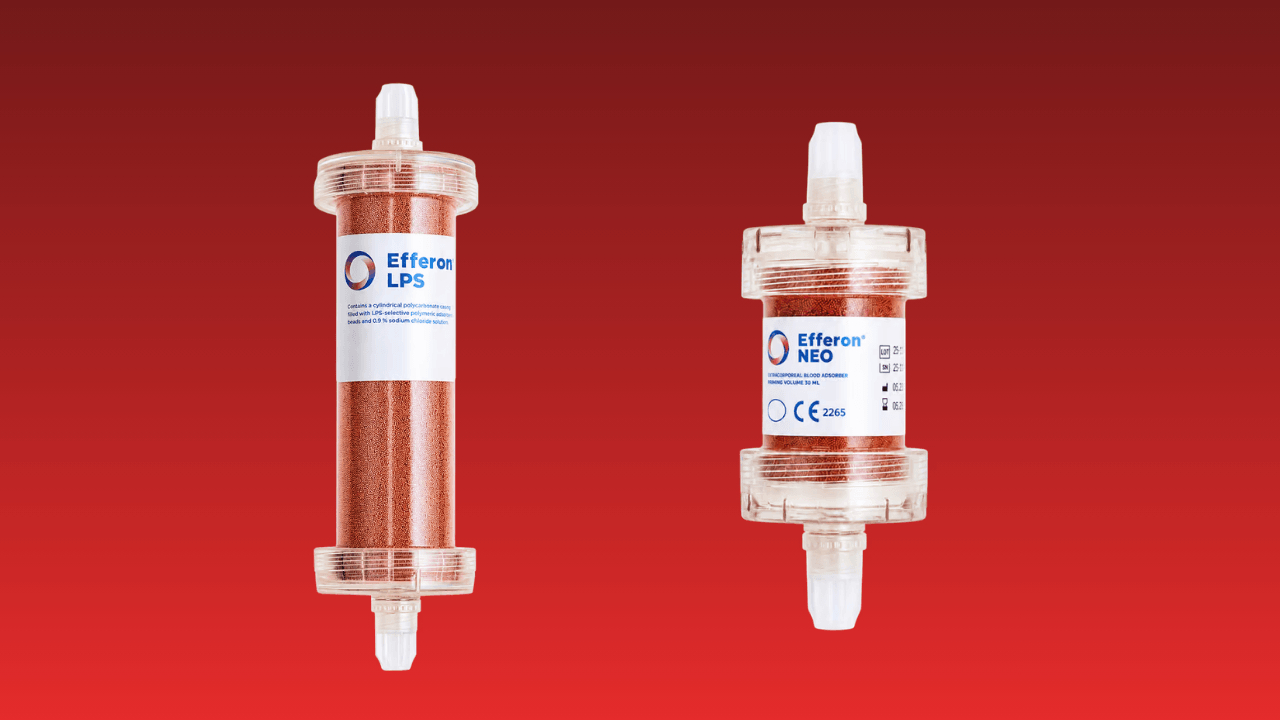
Efferon sepsis treatment is being positioned by the Austrian medtech company as a way to stabilize critically ill patients while clinicians address the infection behind sepsis. Efferon CEO and co-founder Dima Romashin says the company is “selling time,” meaning its blood-purification cartridges are intended as an add-on to antibiotics and intensive-care treatment, not as a replacement for them.
The distinction is material. Sepsis is a life-threatening response to infection that can cause organ dysfunction, and the CDC describes it as a medical emergency requiring rapid intervention. Treating the infection and supporting affected organs remain central to care; Efferon’s bet is that reducing parts of the inflammatory response can give those interventions more time to work.
How does Efferon sepsis treatment work?
Efferon’s approach circulates blood outside the body through a single-use cartridge before returning it to the patient. The company says porous polymer beads in the device bind lipopolysaccharide, or endotoxin associated with Gram-negative bacteria, and adsorb excess inflammatory molecules including cytokines.
The company says the cartridges can be used with equipment already found in intensive care, including renal-replacement therapy, ECMO and cardiopulmonary-bypass systems. Its claim of differentiation is that the device addresses both endotoxin and cytokines, whereas some blood-purification products focus on one of those targets. That is a company characterization, not a head-to-head clinical finding in the material available.
Efferon LPS is intended for adults with sepsis or septic shock in intensive care. Efferon NEO uses the same general approach but is designed for neonatal and pediatric patients, whose lower blood volumes require a different device format. Tech.eu reported that LPS received an EU MDR CE mark in April 2024 and NEO received CE MDR certification in April 2026. Those regulatory milestones permit use under the stated European framework; they do not by themselves establish a broad clinical-outcomes benefit.
What evidence has Efferon reported?
Tech.eu reported results from an adult LASSO study, saying survivors treated with Efferon LPS spent a median 57 hours in septic shock, compared with 101 hours in the control group. The report also described lower use of mechanical ventilation and blood-pressure support in the treated group. The available material does not provide the trial size, full protocol, adverse-event data or a complete independent appraisal, limiting what can be concluded from those results.
For children, Efferon reported conference results from its multicenter LASSO NEO study of 78 patients aged one month to 14 years at eight centers. The company said day-seven pSOFA scores were 4.9 for 32 NEO-treated patients versus 7.8 for 46 controls, and reported 28-day mortality of 9% versus 35%.
Those pediatric figures are first-party claims. The supplied record does not include the conference abstract, study protocol, safety data, patient-selection details or a peer-reviewed paper confirming them. For hospitals and purchasers, the unresolved questions are which patients benefit, what risks accompany extracorporeal treatment and whether the reported outcome differences hold in broader practice.
This story draws on original reporting from Tech.eu.