DSIT reshuffle splits UK tech policy across business, DCMS and Cabinet
Andy Burnham’s government has scrapped DSIT, moving AI, science and digital policy into separate parts of Whitehall.
By Ingrid Halvorsen · Venture Capital Reporter
· 3 min read
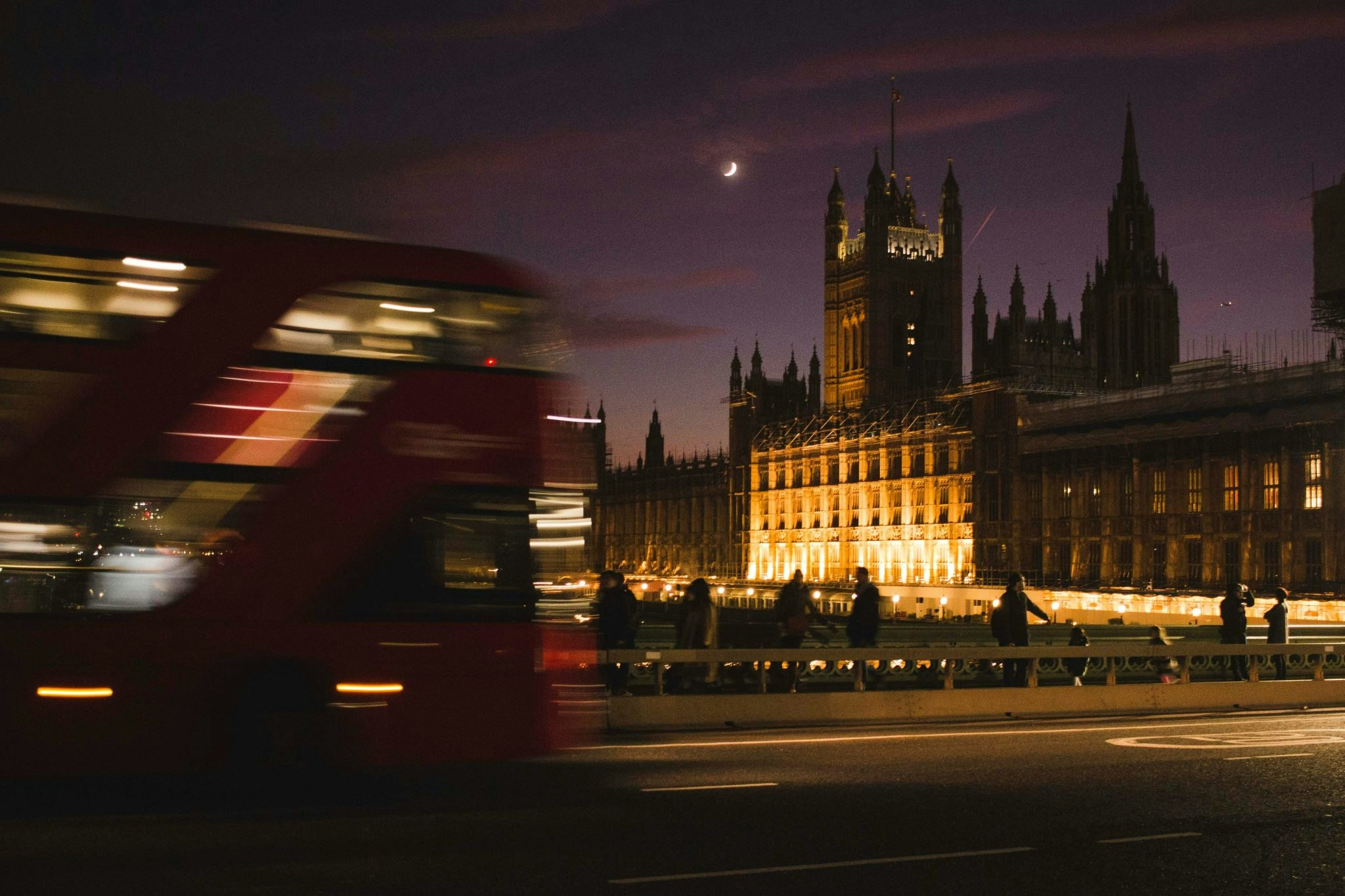
The UK DSIT reshuffle under prime minister Andy Burnham has broken up the three-year-old Department for Science, Innovation and Technology, scattering its work across Whitehall. The move matters for startups, investors and policy teams because AI, research, digital infrastructure and regulation will now be handled by different parts of government, with several ownership questions still unresolved.
Before the change was confirmed, founders, investors and policy specialists warned that dismantling DSIT could slow the UK’s AI policy work, according to Sifted. Ministers have argued the reorganisation is designed to put technology closer to the centre of government rather than downgrade it.
The biggest institutional shift is the creation of the Department for Business, Innovation, Science and Trade, or DBIST. The department is led by Jonathan Reynolds, who has been appointed finance minister, and takes on much of DSIT’s science and innovation brief.
Where did DSIT go?
DSIT has not been folded into one replacement department. Its responsibilities have been divided among DBIST, the Department for Culture, Media and Sport and the newly created office for the prime minister and cabinet, known as OPMC.
DBIST receives the science and innovation portfolio, responsibility for emerging technology sectors and the Investment Security Unit. That places research policy nearer to industrial strategy and commercialisation, a structure that could appeal to companies seeking a tighter link between public R&D and market deployment.
Sifted reported that the Sovereign AI unit, which backs domestic AI capabilities, is expected to sit inside DBIST. The Advanced Research and Invention Agency, which funds high-risk research and development, and UKRI, the UK’s main research and innovation funder, are also expected to be housed there.
AI minister Kanishka Narayan will work across OPMC and DBIST, according to the reorganisation. Narayan will also attend cabinet, giving the AI brief a higher formal position inside government. The signal is clear enough: AI policy is being treated as a cross-government issue, with decisions closer to the prime minister’s office.
The AI Security Institute has reportedly moved within the cabinet. The precise operating model for that placement was not detailed.
What moved to DCMS?
The Department for Culture, Media and Sport is also taking on a larger technology role. It picks up much of DSIT’s digital portfolio, including online safety, digital identity, digital inclusion and cyber resilience.
DCMS is also taking responsibility for digital foundations such as telecoms. Government digital services, including Gov.UK, and broader public-sector digital transformation work are expected to sit there as well.
For operators, that puts consumer-facing internet rules, public digital infrastructure and communications policy under one roof. It also means companies dealing with AI adoption, digital identity, online safety and infrastructure may need to work with different departments depending on the issue.
What is still unclear after the reshuffle?
The government has not clarified where several policy areas will sit. Sifted identified data protection, the National Data Library and oversight of the Information Commissioner’s Office as unresolved.
AI regulation is also still not clearly assigned, despite separate responsibility being allocated for AI strategy, adoption and safety. That gap is the main practical concern for companies looking for predictable rules, especially in regulated sectors and among vendors selling AI systems into government or enterprise customers.
The reorganisation reflects a government view that science should be closer to economic policy, AI should have Cabinet-level attention and digital services belong with media and communications policy. The test for the tech sector will be whether those departments can coordinate quickly enough to avoid turning DSIT’s old remit into a set of disconnected workstreams.
This story draws on original reporting from Sifted.