Burnham removes UK science and business ministers in reshuffle
Andy Burnham dismissed Liz Kendall and Peter Kyle, leaving UK tech policy waiting on DSIT’s future and new ministerial appointments.
By Dominic Okoye · Staff Writer
· 3 min read
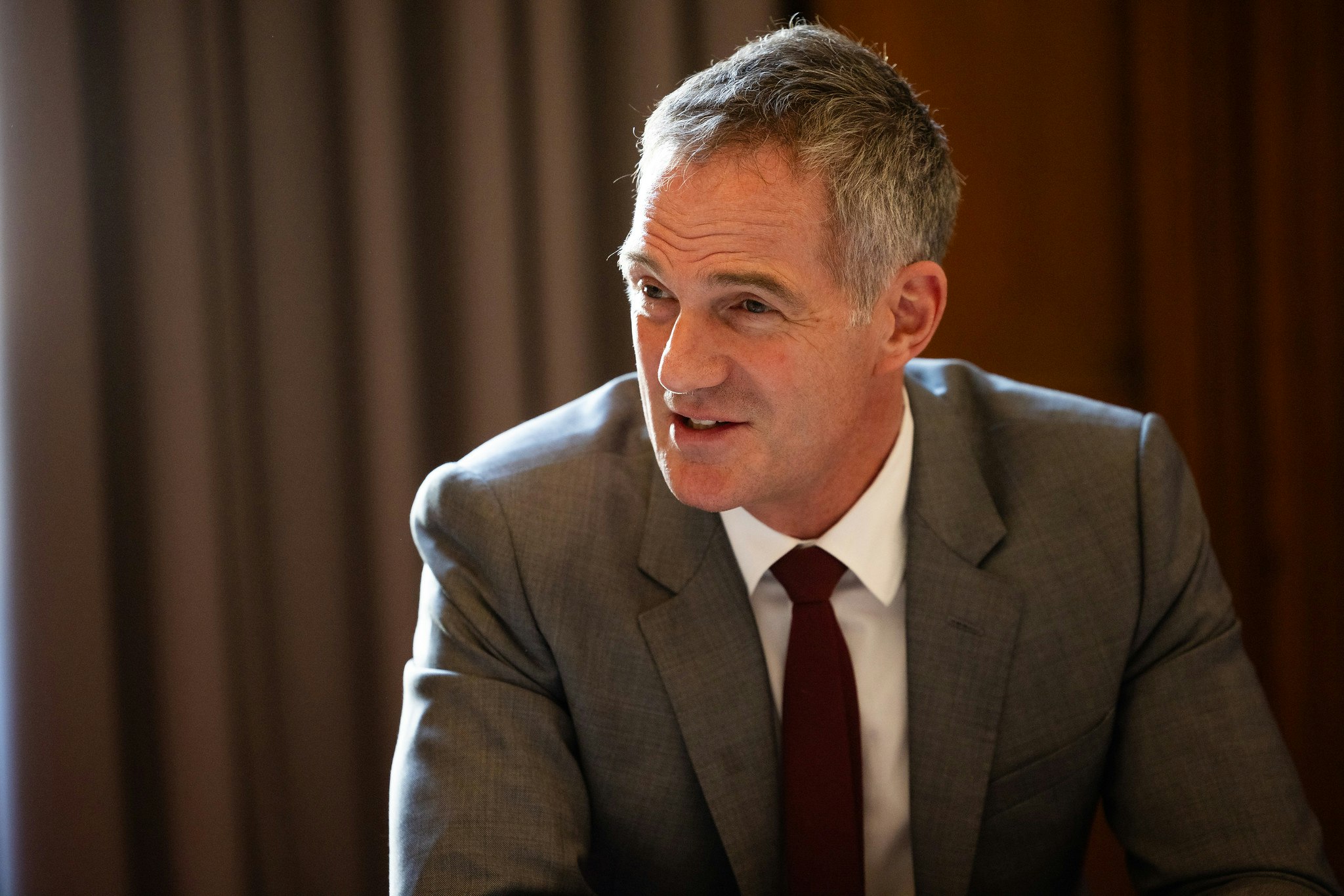
Andy Burnham, sworn in as UK prime minister on Monday, has removed science and tech minister Liz Kendall and business minister Peter Kyle in an early reshuffle. No transaction is involved, and no replacement appointments have been announced, but the move matters for the UK technology sector because it lands amid reports that Burnham could fold the Department for Science, Innovation and Technology into a broader business department.
Kendall and Kyle had both been appointed to their posts in September 2025. Reports cited by Sifted say Jonathan Reynolds is expected to return as business secretary, though the government has not named successors for Kendall or Kyle.
The unanswered question for founders, investors and policy teams is whether DSIT survives as a standalone department. Sifted reported over the weekend that speculation had increased around a possible absorption of DSIT into a wider business-focused ministry. Burnham has not announced such a move, and no structure, timetable or departmental remit has been disclosed.
Why DSIT’s status matters to tech companies
DSIT was created in 2023 under former prime minister Rishi Sunak to consolidate responsibility for science, artificial intelligence, digital regulation and innovation inside Whitehall. Since then, it has overseen several flagship policy efforts, including the UK’s AI Opportunities Action Plan, investment in sovereign AI compute and the expansion of the AI Security Institute.
For the technology sector, the department’s significance is less about branding than access and continuity. A dedicated department gives founders, investors and larger tech companies a clearer route into government on AI, digital regulation and innovation policy. A merger into a business-focused department could preserve those functions, reduce them or move them around Whitehall. The government has not said which outcome it wants.
The reported possibility of closing DSIT has already drawn pushback from startup founders, investors and technology policy leaders, according to Sifted. Their argument is operational: another Whitehall restructuring would consume attention that could otherwise go toward delivering existing AI and digital policy plans.
The critique is familiar in UK tech policy. The country has spent years trying to position itself as a serious AI and science economy while frequently changing ministers, departments and policy labels. Companies can adapt to a new ministerial map, but repeated reorganisations make it harder to know who owns delivery, budget and regulatory decisions.
Burnham’s first appointments will show whether the new government intends to keep technology policy close to the centre or subsume it under a wider economic brief. For now, the sector has two departures, no named replacements and no confirmed answer on the future of the department that has carried the UK’s AI and innovation agenda since 2023.
This story draws on original reporting from Sifted.