Bologna startup ecosystem gets a founder-led push at The Gathering
Cubbit’s co-founders are using The Bologna Gathering to connect 500-plus founders, investors and corporates around Bologna’s industrial and AI base.
By Dominic Okoye · Staff Writer
· 4 min read
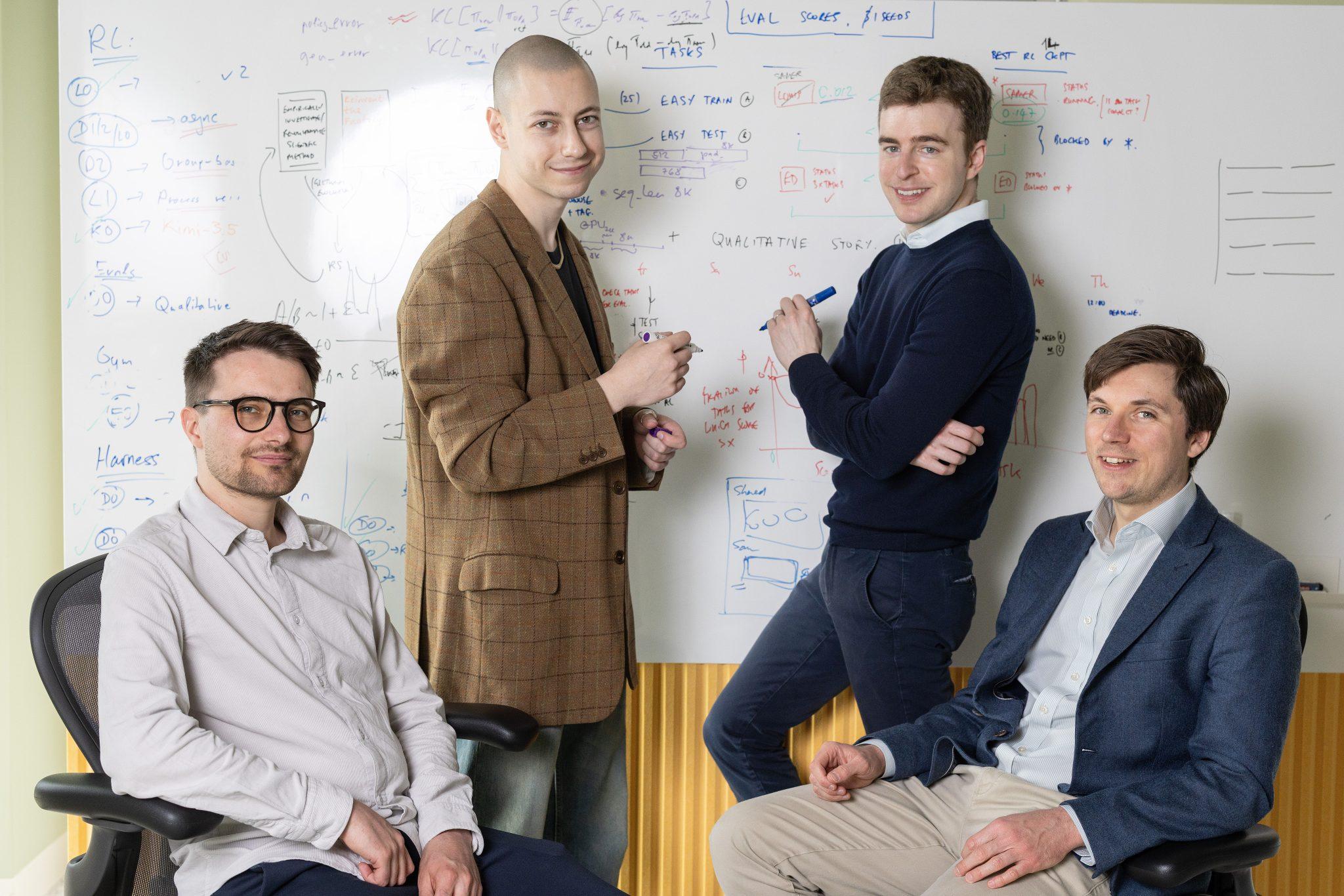
The Bologna startup ecosystem is getting a founder-led organizing layer through The Bologna Gathering, an invite-only event co-founded by Cubbit co-founders and co-CEOs Alessandro Cillario and Stefano Onofri. The event brought together more than 500 founders, investors, corporates and innovation leaders from Europe, the Americas and Asia, positioning the city’s industrial base and AI infrastructure as assets for startup formation.
Cillario and Onofri are building Cubbit, an Italian sovereign cloud company, while also investing time in local startup infrastructure. Cillario argues that founders should help build their local market while their companies are still growing, rather than waiting until after a large exit or fortune has been made.
What is The Bologna Gathering?
The Bologna Gathering is an invitation-only startup event designed to put founders, investors, corporates and institutions in the same room, with fewer casual conference interactions and more buyer, partner and investor conversations. According to Cillario, the idea followed Cubbit’s experience at Web Summit and discussions with Bologna and Emilia-Romagna institutions that were investing in AI infrastructure but also needed a stronger company-building network around it.
The corporate presence is a deliberate part of the model. Cillario said the event had fewer than 10 corporate participants in its first year and now has more than 16 major companies involved. Attendees have included Ferrari, Unipol, Ducati, Generali, Intesa Sanpaolo Private, JP Morgan, Chiesi Farmaceutici, CNH Industrial, Dallara Automobili and Menarini Silicon Biosystems.
That matters for enterprise and deep tech startups, where early customer access can be harder than consumer distribution. Cillario’s argument is that large companies can give founders feedback, identify new technologies and form partnerships, while startups can test whether their products address real industrial problems.
Why Bologna is a credible base for deep tech
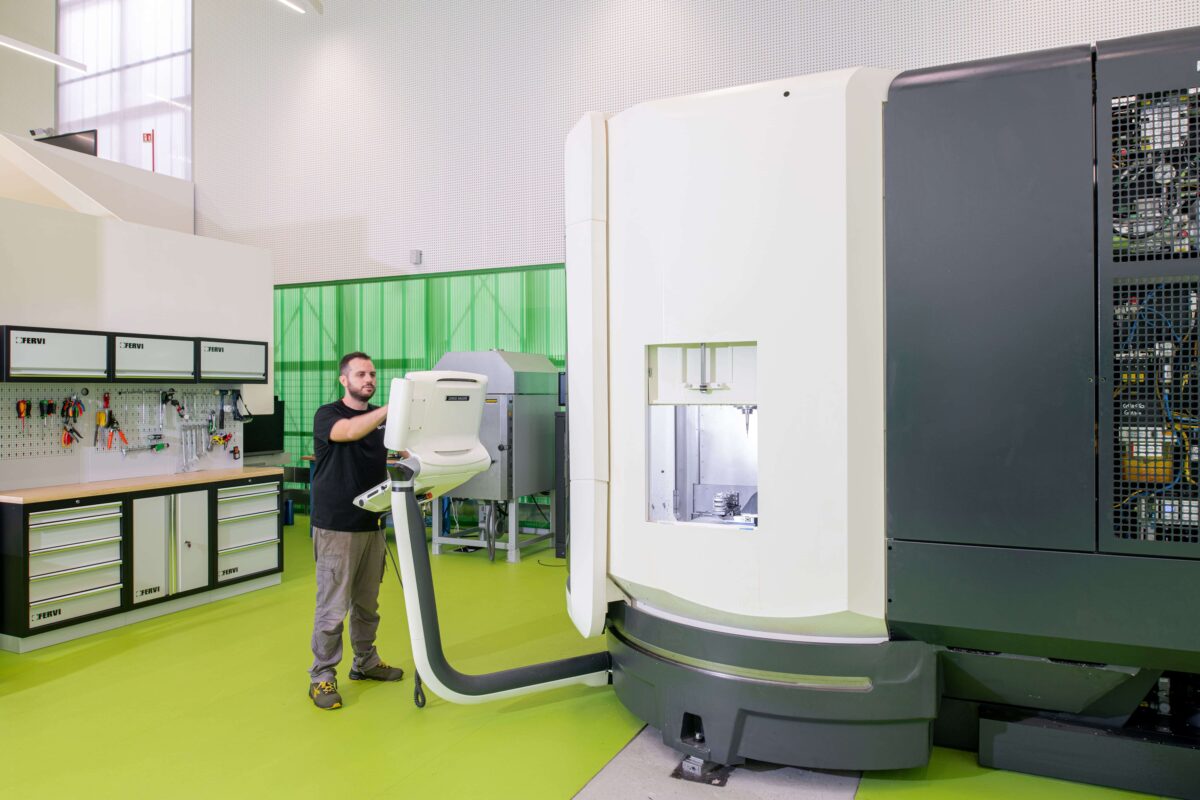
Bologna is best known outside Italy for food and its university, but its economy is anchored in advanced manufacturing, engineering and deep tech. Machinery accounts for roughly one-third of the city’s exports, with strength in packaging, automation, robotics and precision engineering. The region is also part of Italy’s Motor Valley, with Ducati based in Bologna and Lamborghini in nearby Sant’Agata Bolognese.
The city’s research infrastructure is expanding around the Bologna Technopole, a science and innovation campus backed by the Emilia-Romagna Region and Italy’s Ministry of University and Research. The programme includes roughly €1 billion of AI and supercomputing infrastructure and brings together organizations including CINECA, ECMWF and Italy’s National Institute for Nuclear Physics.
At the center is IT4LIA AI Factory, Italy’s national AI factory, which provides high-performance computing, technical support and free access to eligible startups, SMEs, researchers and public organizations. In June, the National Research Centre for High Performance Computing, Big Data and Quantum Computing launched five high-performance computing systems at the DAMA data centre, including the AI-optimized LISA system and cloud-native GAIA platform. Together with Leonardo and MEGARIDE, the AI Factory has access to more than 20,000 GPUs.
From research to companies
Bologna also has commercialization support for industrial startups. BI-REX offers a “Test Before Invest” programme that lets startups validate products using its smart factory pilot line and resources in robotics, AI, additive manufacturing, digital twins, IoT, 5G and high-performance computing. Other local support organizations include COBO Accelerator, G-Factor and University of Bologna hub Almacube.
The wider Italian market has more momentum than it did a decade ago. PitchBook reported that Italy recorded 225 venture funding rounds in the first quarter of 2026, up 80% year on year and the highest quarterly total in the past decade. Italy is also home to 17 unicorns worth a combined $44.6 billion, with Prima and Namirial reaching unicorn status in 2025.
Recent Italian funding activity has included D-Orbit’s $62 million Series D in space logistics, Subbyx’s $35 million Series A, Dronus’ $17 million raise and Niulinx’s $38 million autonomous driving seed round. The company examples coming out of Bologna include semiconductor IP developer Daidalos, diagnostics startup GeneSys Bio, superconducting magnet power startup Magnetic Future, smart lighting company Trailslight and helmet safety spinout O-Damp.
The harder issue is cultural. Renoon founder Iris Skrami, who moved back to Italy from the Netherlands, has said Italy can feel more closed than other startup markets and that some founders are reluctant to talk publicly about wins. Cillario and Onofri’s bet is that repeated, founder-led convening can make Bologna’s industrial and research advantages more visible to international capital and customers.
This story draws on original reporting from Tech.eu.