Bikekey TÖNNJES investment targets digital bike registration abroad
Bikekey has taken an undisclosed strategic investment from TÖNNJES to expand its bike registry beyond Denmark and Norway.
By Dominic Okoye · Staff Writer
· 3 min read
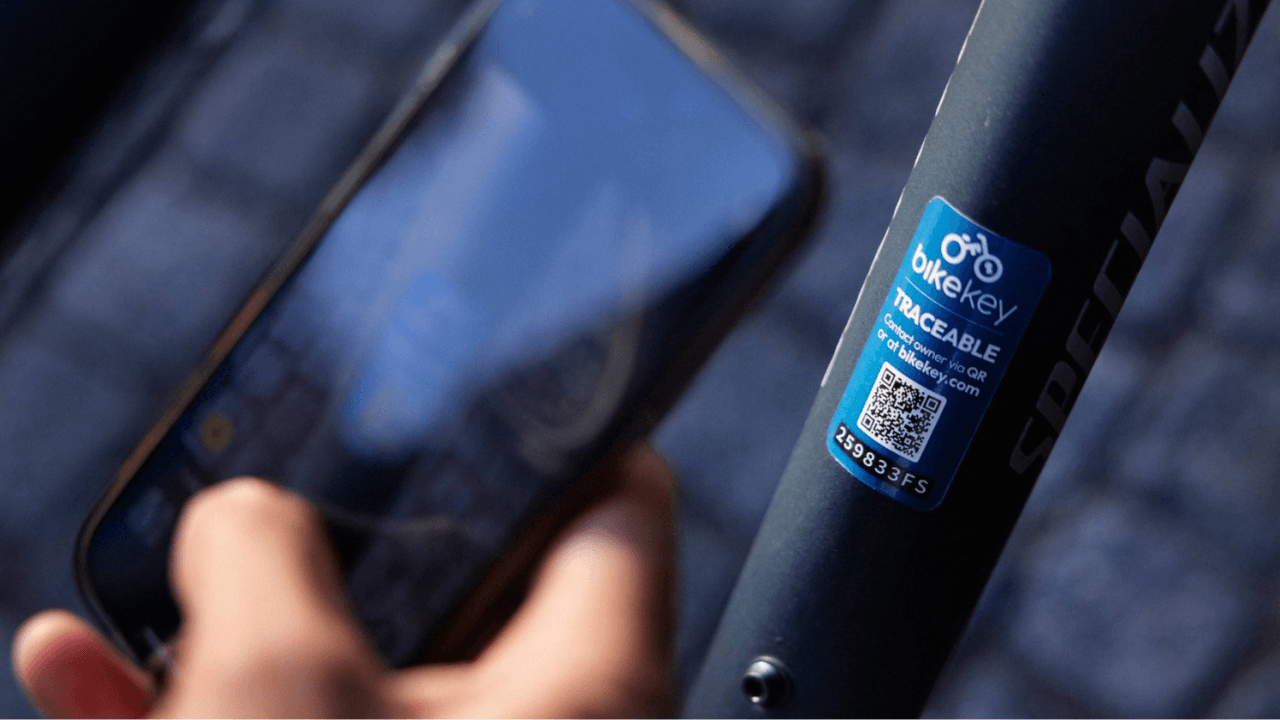
The Bikekey TÖNNJES investment gives the Danish digital bike registry a named strategic backer for international expansion, though the companies did not disclose the size, valuation or terms of the deal. Bikekey said it will use the partnership with Germany’s TÖNNJES to bring digital bike registration into additional markets through the group’s relationships with public bodies.
Bikekey operates a registry intended to connect bicycles and e-bikes with proof of ownership, a problem that has become more relevant as bike volumes rise and theft prevention becomes a concern for private owners, insurers, manufacturers, retailers and cities. The company is already active in Denmark and Norway and says more than 100,000 bikes have been registered on its system.
TÖNNJES supplies vehicle registration systems to governments and public authorities, including tamper-resistant plates, digital registration and identification products. The move into bicycles extends that vehicle identification business into micromobility, a category tied to urban transport policy and climate targets as cities encourage more cycling.
What is Bikekey’s digital bike registration used for?
Bikekey’s system is used to establish a record of bike ownership and make stolen or recovered bikes easier to trace. The companies also argue that returning found bikes to owners can reduce waste, because bikes that cannot be identified are more likely to be discarded rather than kept in use.
In Scandinavia, Bikekey works with large insurers as well as manufacturers, specialist retailers and cycling associations, according to the company. CEO René Nørgård said Denmark provided the proof point for the model, citing more than 130 bicycles stolen in the country each day and saying recovery was rare before Bikekey built its registry.
Nørgård said TÖNNJES brings international credibility in vehicle identification and gives Bikekey a way to reach markets outside Scandinavia. That is the main commercial logic of the deal: Bikekey contributes a bike-specific registry product, while TÖNNJES contributes access to public-sector channels that are hard for a startup to build country by country.
TÖNNJES International Group managing director Jörn Bertram said the partnership advances the company’s long-running aim to apply its vehicle identification experience to bicycles. He said Bikekey had shown in Scandinavia that the concept can work and that TÖNNJES can help adapt similar security standards for cycling in other markets.
The companies said Bikekey will roll out internationally through TÖNNJES’s relationships with governments and public bodies in more than 100 countries. They did not identify the first target countries, provide a launch timetable, or say whether the investment gives TÖNNJES any operational control over Bikekey.
The deal is a reminder that micromobility infrastructure is not limited to bikes, chargers and lanes. Ownership data, insurance workflows and recovery systems are becoming part of the operating layer around bicycles and e-bikes, especially where public agencies and insurers have incentives to reduce theft and waste.
This story draws on original reporting from Tech.eu.