Antler says scale-up experience is Europe's strongest founder signal
Antler’s analysis of 51,722 European seed-stage companies links prior scale-up jobs to a much higher chance of raising Series A.
By Ingrid Halvorsen · Venture Capital Reporter
· 3 min read

Antler has published research arguing that founders who worked inside startups during the Seed-to-Series C phase are much more likely to raise a Series A for their own companies. The early-stage VC firm said its analysis of 51,722 European seed-stage companies found that prior scale-up experience beats Big Tech and other employment signals in predicting which founders progress beyond seed.
The report, titled Europe’s Growth Stage Founder Factories, examined companies in the UK, Germany, France and Sweden that raised seed rounds between 2010 and 2021. Antler said 23% of European seed-stage startups in the dataset went on to secure Series A funding.
For companies led by founders who had previously worked at a startup while it grew from Seed to Series C, the Series A conversion rate rose to 45.6%, according to Antler. That is a 22.6 percentage-point increase over the dataset average. Antler described that experience as the strongest signal it tested, though the published summary does not detail the weighting of other variables or how causality was assessed.
Staying through the scaling phase mattered most
Antler’s findings separate early startup exposure from experience inside a company that actually scaled. Founders who joined an employer at seed or pre-seed stage but left before major growth later raised Series A rounds for their own startups in 33.7% of cases, the firm said.
The rate was higher for founders who joined at Seed or earlier and remained long enough to see that employer raise a Series B or later round. Antler said that group’s own startups reached Series A 55.3% of the time, close to twice the overall baseline.
Big Tech experience was less differentiated in Antler’s analysis. The firm said founders with Big Tech backgrounds produced a 33% Series A conversion rate, the same uplift associated with working at a seed-stage startup. Antler framed that as evidence that early-stage operating experience can be as useful a signal as time at a large technology company.
Germany showed the strongest country-level outcome in the published findings. Antler said founders there with prior growth-stage company experience reached Series A for their own startups at a 50.9% rate.
Which companies produced Series A founders
Antler also ranked companies whose alumni went on to start European startups, based on how often those alumni reached Series A. The list includes US, European and Australian companies, reflecting that European founder formation is not confined to local employers.
- LiveRamp, United States: 10 founders, 90.0% reached Series A.
- Improbable, United Kingdom: 8 founders, 87.5%.
- Withings, France: 10 founders, 70.0%.
- Zenefits, United States: 22 founders, 68.2%.
- Indiegogo, United States: 12 founders, 66.7%.
- Dropbox, United States: 45 founders, 62.2%.
- Atlassian, Australia: 16 founders, 56.2%.
- GitHub, United States: 15 founders, 46.7%.
- Klarna, Sweden: 14 founders, 42.9%.
- Riot Games, United States: 26 founders, 42.3%.
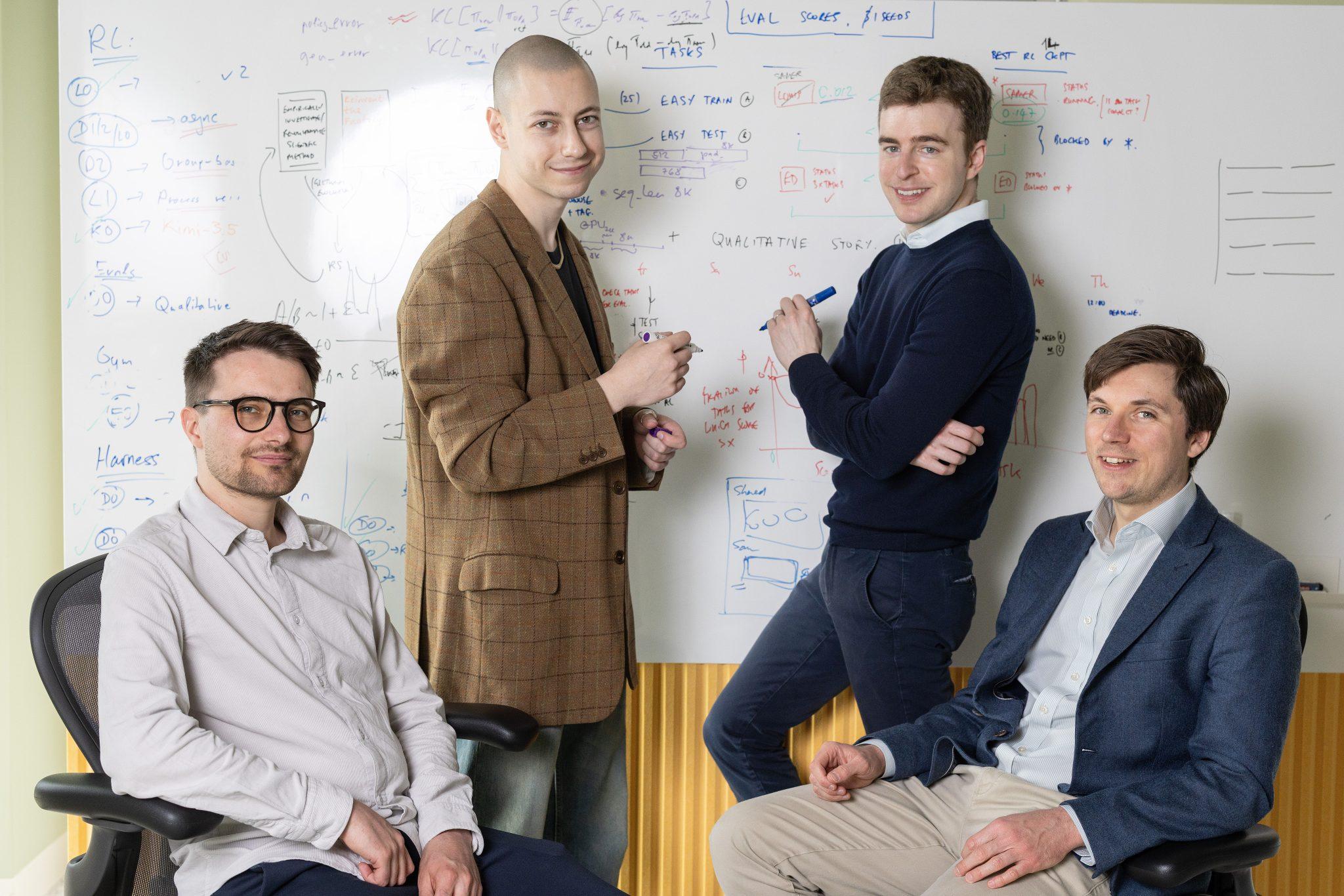
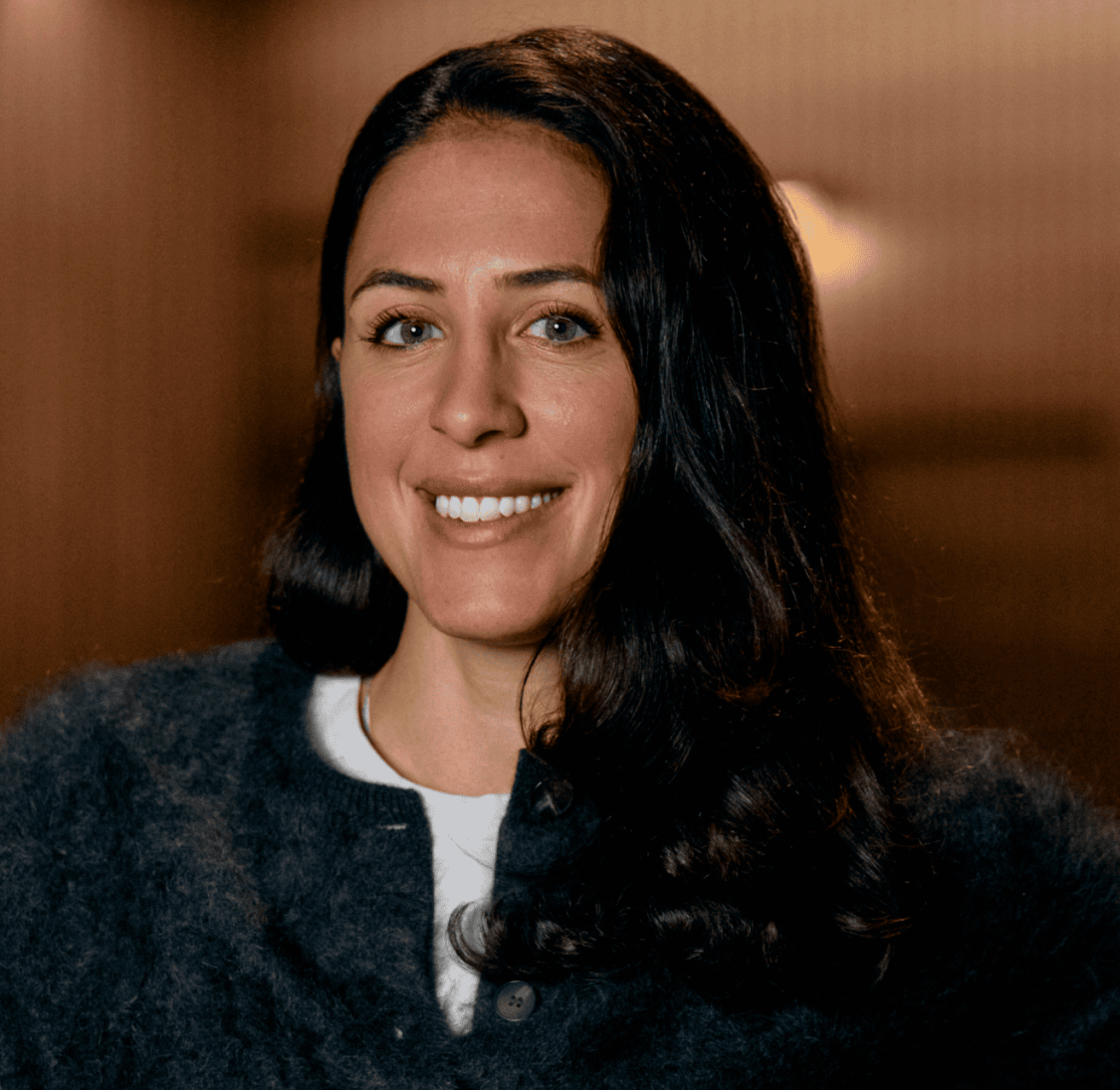
Christoph Klink, a partner at Antler, said the findings suggest investors should pay more attention to whether a founder worked inside a company during a period of rapid fundraising, hiring and product pressure, rather than relying mainly on universities or brand-name employers. He also said Europe now has both unicorn alumni and a broader early-stage base producing future founders.
For investors, the practical implication is narrower than the usual founder-factory narrative. Antler’s data points to a specific operating window: not just having startup experience, but being present while a company turns seed funding into later-stage institutional capital. The report does not say that background guarantees success, and it does not disclose revenue, headcount or sector controls for the companies studied.
This story draws on original reporting from Tech.eu.