Wonder raises $650 million at $9 billion as IPO plan moves up
Marc Lore’s food-tech company added new capital, a Zipline deal and investor protections as it prepares for a possible public listing next year.
By Ingrid Halvorsen · Venture Capital Reporter
· 3 min read
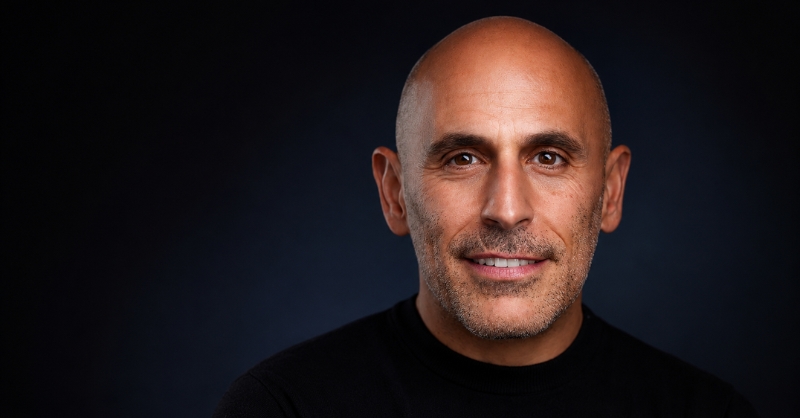
Wonder raised $650 million at a $9 billion pre-money valuation, giving Marc Lore’s food-tech company fresh capital as it prepares for a possible IPO as early as next year. The round keeps Wonder on an independent path after Lore’s prior e-commerce companies, Quidsi and Jet.com, were sold to Amazon and Walmart for a combined $3.85 billion.
Returning investors Accel, GV and NEA participated in the financing, alongside new backers AllianceBernstein, ARK Invest and Kayne Anderson Rudnick. Goldman Sachs, Jefferies and J.P. Morgan worked as placement agents. Wonder did not provide revenue, profitability or burn-rate figures.
Lore told Fortune that Wonder is prepared to go public early next year. That is earlier than the first-quarter 2028 target he had discussed previously, and Fortune reported that March 31, 2027 has been written on whiteboards at Wonder’s Midtown Manhattan office as an IPO-readiness date.
What Wonder is trying to build
Wonder operates 140 food halls in the U.S., up from 46 locations at the time of its May 2025 funding announcement. Each location can run as many as 30 restaurant concepts from one shared kitchen, including licensed brands such as Bobby Flay Steak. Customers can order across multiple brands in one transaction, with Wonder handling preparation and delivery.
The company has also bought assets outside its own food halls. It acquired Grubhub for $650 million, a price that included $500 million of assumed debt. That was far below the $7.3 billion Just Eat Takeaway paid for Grubhub in 2021. Wonder also bought Blue Apron for $103 million in 2023, adding a meal-kit business to its delivery and kitchen operations.
Wonder says its Infinite Kitchen system includes the only fully automated bowl-making line in commercial production. The company is also funding a partnership with Zipline, the drone delivery company, to start on-demand food deliveries in Texas in 2027, according to the announcement.
Terms complicate the valuation
The headline valuation comes with a caveat. The Information reported, citing Delaware filings, that Wonder gave investors a ratchet provision that would issue extra shares if the company’s IPO price is below 1.5 times the price paid in this round. The Information also reported that Wonder had initially sought an $11 billion valuation.
Lore is investing $200 million of his own money in the financing, according to Fortune. He told Fortune the latest investor protection was the least Wonder has offered on a relative basis, indicating similar provisions have appeared in earlier financings.
Inc. reported that one academic estimated the ratchet protection could be worth 33% of the listed price, implying a lower effective valuation for ordinary shareholders who do not receive the same protection. That makes the eventual S-1 especially relevant for investors assessing how much of Wonder’s valuation is supported by operating performance rather than structure.
A different bet from delivery aggregators
Wonder is pursuing a more vertically controlled model than the largest delivery platforms. DoorDash completed a £2.9 billion acquisition of Deliveroo in 2025, while Uber has agreed to acquire Delivery Hero at $14.8 billion. Those companies aggregate restaurants and demand. Wonder is trying to own more of the chain, from menu development and kitchen automation to delivery.
The company has now raised close to $3 billion since 2018. Lore has said he wants Wonder to reach 10,000 locations by 2040. Public-market investors, if the IPO timetable holds, will have to decide whether that looks like a technology multiple or a restaurant rollout with more software and automation attached.
This story draws on original reporting from TechFundingNews.