TaskHer funding round raises £650K for tradeswomen marketplace
TaskHer raised £650,000 to expand its verified tradeswomen platform into housing associations, lettings agencies and women’s refuges.
By Ingrid Halvorsen · Venture Capital Reporter
· 3 min read
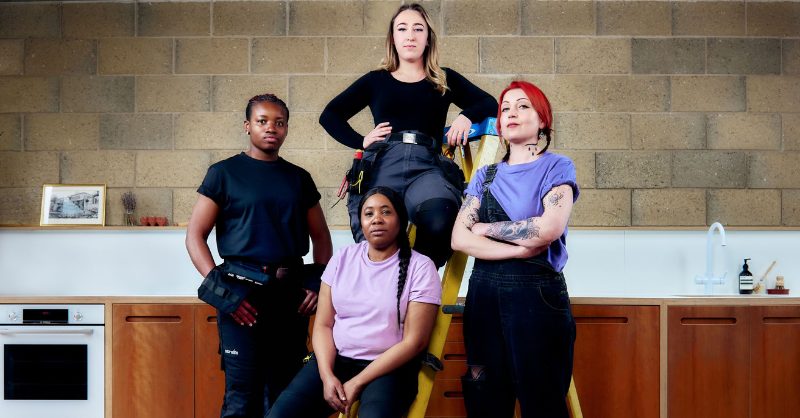
TaskHer funding has reached £650,000 in a new round for the UK marketplace that lets homeowners book verified tradeswomen online. The company said the money will support B2B expansion into housing associations, lettings agencies and women’s refuges, including work linked to its partnership with Refuge, the UK domestic abuse charity.
The round was co-led by Trust for London, Resolution Ventures, Ufi Ventures and Second Century Ventures through the REACH UK programme, with angel backing via Daring Capital. TaskHer did not disclose a valuation, revenue, headcount or deal terms.
TaskHer was founded in 2022 by Anna Moynihan and Paul Moynihan. The company says its platform has connected more than 4,000 customers with tradeswomen across London, with users able to book and pay online and see pricing before the job rather than negotiate at the door.
What is TaskHer using the funding for?
TaskHer said the £650,000 will go toward partnerships with landlords and institutional property operators, further product development and growing its network of tradeswomen. The company is also extending a model it has used with Refuge, where tradeswomen carry out maintenance work in domestic abuse safe houses.
That work is a sharper use case than a standard home services booking. In this context, trauma-informed maintenance means repair visits delivered in homes where residents may need added trust and safety around who enters the property, particularly after domestic abuse.
The company’s market argument rests on a supply imbalance. TaskHer says women account for less than 3% of the UK skilled trades workforce, while the domestic trade services market is worth an estimated £56 billion. Its view is that the sector’s labour shortage cannot be addressed by continuing to recruit from the same overwhelmingly male workforce.
Anna Moynihan has said the round supports TaskHer’s aim of making women in the trades more visible and giving homeowners, partners and tradeswomen a more inclusive experience. Trust for London’s Luke Kavanagh said the investment fits the organisation’s focus on access to better-paid work for women. Resolution Ventures’ Louise Marston said the funding should help TaskHer expand work opportunities for tradeswomen and support a future talent pipeline.
How does TaskHer compare with UK trade platforms?
TaskHer is much smaller than the best-known UK trade marketplaces and directories. Checkatrade, owned by HomeServe, generates more than £55 million in annual revenue, while Bark and MyBuilder use pay-per-lead models open to contractors regardless of gender.
TaskHer’s differentiation is narrower: it screens for and lists tradeswomen. That gives the company a clearer brand and a specific audience, but it also means growth depends partly on whether the platform can help expand the number of women entering trades, rather than reallocating work among a small existing pool.
The company has raised before. In January 2023, TaskHer secured £200,000 in pre-seed funding from Bethnal Green Ventures, Resolution Foundation and Ufi Ventures, later increasing that pre-seed total to £350,000 with angel participation. It also ran a £300,000 Crowdcube campaign in December 2024 after reporting 79% revenue growth for that year.
No ARR, gross merchandise value or customer retention figures were disclosed with the new round. For investors watching vertical labor marketplaces, those omissions matter: TaskHer’s next test is whether a focused marketplace can create enough supply, partner demand and repeat usage to compete in a category dominated by far larger horizontal platforms.
This story draws on original reporting from TechFundingNews.