Qureight Series B raises $20 million for AI imaging in clinical trials
Molten Ventures led Qureight’s $20 million Series B as the Cambridge startup builds AI tools for lung and heart drug trials.
By Marcus Adeyemi · Startups Editor
· 3 min read
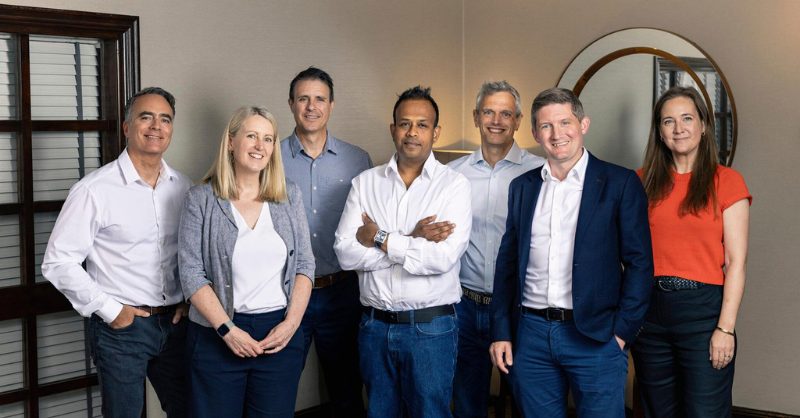
Qureight has raised a $20 million Series B to expand its AI imaging platform for lung and heart clinical trials, with Molten Ventures leading the round. The Cambridge company said the money will fund an in-house AI imaging lab, support new disease areas and help it sell deeper into pharmaceutical trial programs.
Existing backers Hargreave Hale AIM VCT, XTX Ventures, Guinness Ventures, Meltwind and Ascension also participated. Qureight did not disclose its valuation, revenue or the ownership sold in the round. The financing follows a £1.5 million seed round in 2022.
Qureight was founded in 2018 by Dr Muhunthan Thillai and Dr Alessandro Ruggiero. Thillai, who remains a consultant chest physician at Royal Papworth Hospital, has said the company grew out of the difficulty pharma companies had making clinical use of imaging data during trials. He has also linked the idea to a clinical case in which he could not confidently read a CT scan.
What does Qureight do?
Qureight sells software and imaging services to pharmaceutical companies running clinical trials, rather than diagnostic software aimed primarily at hospital workflows. Its platform is built to process CT imaging data so trial sponsors can make faster decisions and measure disease progression in lung and heart studies.
The company describes two core products. Workflow is meant to reduce imaging decision time from roughly two weeks to 48 hours. AI Lung creates detailed models of airways and blood vessels from lung and heart scans, which Qureight says can help drug developers assess how a treatment is affecting disease.
The new lab is planned around a general-purpose foundation model of the chest. Thillai told Tech Funding News that this approach could let Qureight build disease-specific deep learning models in one or two months, compared with about a year when starting from scratch. That is a company claim, and Qureight did not provide trial outcome data in the announcement.
Where will Qureight use the funding?
Qureight said the Series B will support expansion into asthma, lung cancer, pulmonary hypertension, bronchiectasis and drug-induced lung toxicity. The company also plans to open a second London office next month and double headcount to 100 by December.
Thillai said Qureight is already involved in global clinical trials with AstraZeneca, Bristol Myers Squibb and several biotech partners. The company did not name specific trial phases, contract values or how much of its revenue comes from those customers.
The market backdrop is favorable if pharma continues to spend on imaging-heavy respiratory and cardiovascular trials. A World Health Expo forecast cited for the category projects the lung and heart clinical trials market will reach $27.5 billion by 2030, growing at 6.9% annually.
Who is Qureight competing with?
The closest European comparison named is Oxford-based Brainomix, whose FDA-cleared e-Lung platform is used in pulmonary fibrosis and was selected by Boehringer Ingelheim as a co-primary endpoint in a Phase 3 trial. Brainomix raised a £4.8 million Series C extension in February, taking its total funding to £18.8 million.
The distinction is commercial focus. Brainomix also sells diagnostic software for hospitals, while Qureight is positioned earlier in the drug development process through trial design and imaging contract research.
Molten partner Dr Inga Deakin is joining Qureight’s board as part of the investment. According to Tech Funding News, Qureight had approached Molten two years earlier and was turned down, but this process produced three lead investor term sheets within six weeks. Qureight chose Molten despite interest from US investors, citing the relationship and a preference for a London-based lead investor.
This story draws on original reporting from TechFundingNews.