Nuclear Turbines funding reaches £15M for gas-turbine SMR design
Manchester startup Nuclear Turbines raised £15M led by IQ Capital to test a reactor design it says can cut nuclear power costs.
By Ingrid Halvorsen · Venture Capital Reporter
· 3 min read
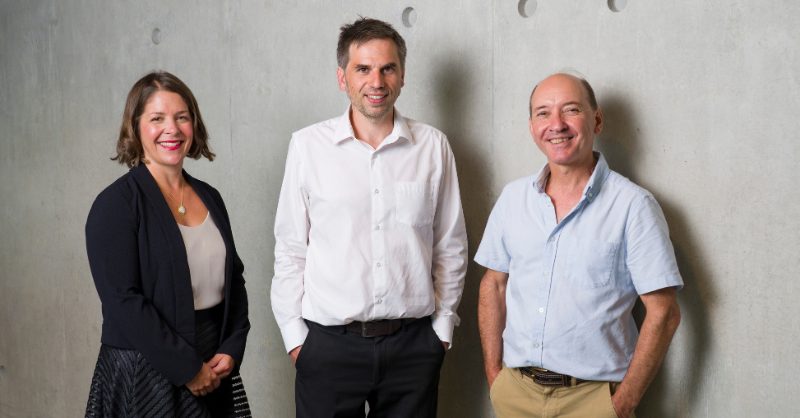
Nuclear Turbines funding has reached £15 million, with IQ Capital leading an initial round for the Manchester startup’s small modular reactor approach. The company, which has emerged from stealth, says it can lower electricity costs by replacing conventional steam-turbine nuclear power conversion with jet-engine-style gas turbines.
Rhapsody Venture Partners, Zero Carbon Capital and Empirical Ventures also participated. Nuclear Turbines did not disclose a valuation, revenue, customer commitments or headcount.
The raise lands into a UK energy market where industrial power prices remain a competitive problem. Deloitte has said UK businesses pay about 50% more for electricity than companies in France and Germany, and four times more than US businesses. Fortune Business Insights projects the global small modular reactor market will grow from about $8 billion in 2026 to more than $16 billion by 2034.
What does Nuclear Turbines build?
Nuclear Turbines is developing a reactor system that connects nuclear heat directly to gas turbine power conversion, the kind of technology used in aircraft engines and gas-fired power plants. Most nuclear plants use steam turbines because water-cooled reactors operate at lower temperatures, which brings large pressure vessels, heat exchangers and cooling systems into the plant design.
The company argues that power conversion, rather than only reactor chemistry, is the cost bottleneck. It claims its design addresses the graphite issue that has limited direct gas-turbine integration in high-temperature reactors, because graphite can burn in air. Nuclear Turbines says that if the system works, a unit could generate power behind the meter for industrial sites or data centres without requiring a grid connection.
Those are still company claims. The new capital will go toward reactor design testing, large test rigs, hiring and preparation for its first fuel elements. Nuclear Turbines has not disclosed a commercial launch date.
Where did the company come from?
The company was co-founded by Jeremy Owston, who previously worked at BAE Systems on feedwater systems for nuclear submarines, and Tim Abram, a nuclear engineering professor at the University of Manchester. Before forming the business, they published peer-reviewed research on directly coupling nuclear reactors to gas turbines.
Nuclear Turbines was created with Empirical Ventures’ venture studio and came through BAE Systems’ Launchpad initiative. Empirical Ventures co-founder Ben Miles said the company reflects UK nuclear engineering capability moving from research and industrial heritage into a venture-backed business.
Who is it competing with?
The company enters an SMR field that is already expensive and crowded. Newcleo, a UK-founded and France-based company, has raised more than €650 million and has received approval for its design in the UK’s Generic Design Assessment process, with commercial launch planned for 2033. Last Energy, based in the US, recently raised a $100 million Series C and has signed dozens of unit agreements. X-energy completed a $1.02 billion Nasdaq IPO in April 2026.
Nuclear Turbines is positioning itself differently from companies focused mainly on reactor chemistry or factory-built deployment speed. Its pitch is closer to the logic used by some advanced nuclear and fusion developers: improve the economics by changing how reactor heat becomes electricity.
IQ Capital principal Jordan Billiald said the firm sees the design as addressing both cost and sustainability in SMRs. Rhapsody Venture Partners general partner Jason Whaley tied the investment to demand for cheap, reliable power for industry, while Zero Carbon Capital founding partner Alex Gawley said firm low-carbon generation remains a constraint for the energy transition.
The funding gives Nuclear Turbines enough capital to move from stealth into hardware validation. The harder test is whether its power-conversion bet can survive engineering, regulation and deployment timelines in a market where better-funded rivals are already moving through approval and commercialization plans.
This story draws on original reporting from TechFundingNews.