Hilo adds $19 million to Series B for US blood pressure wearable push
The Swiss healthtech company has raised more than $119 million to date as it launches Hilo Core in the US, but did not disclose valuation or revenue.
By Ingrid Halvorsen · Venture Capital Reporter
· 4 min read
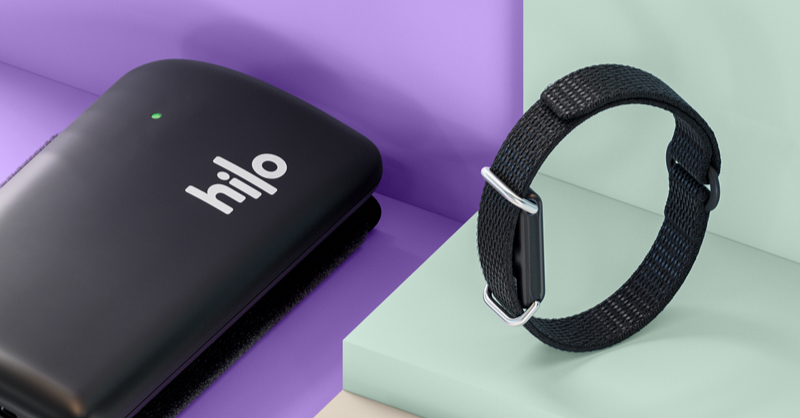
Swiss healthtech company Hilo has raised a $19 million Series B extension backed by Dell Family Office, bringing total funding to more than $119 million as it pushes its blood pressure monitoring system into the US. The company, developed by Aktiia, is selling a wrist-worn sensor, app and connected cuff as a more continuous alternative to occasional blood pressure checks.
The extension follows Hilo’s $42 million Series B in May 2025, when the company said it had reached $100 million in total funding and changed its name from Aktiia. Hilo did not disclose its valuation, revenue, pricing, or whether the extension included any secondary share sales.
The financing lands alongside the US launch of Hilo Core. Hilo describes the product as a full blood pressure health system, combining a wrist-based optical sensor, a connected FDA-cleared cuff and mobile software that analyzes readings over time. The FDA clearance cited by the company applies to the cuff, not to a claim that the full wearable-and-algorithm system has replaced standard clinical measurement.
From cuff readings to daily trend data
Hilo says its system produces about 30 to 35 blood pressure readings per day, including overnight measurements. The device uses photoplethysmographic signals from the wrist to estimate blood pressure, while periodic cuff readings recalibrate the system for accuracy, according to the company.
That model addresses a known limitation in hypertension care: blood pressure is often captured during office visits or occasional home tests, which can miss changes tied to sleep, exercise, stress, diet and medication. Hilo’s pitch is that a denser stream of readings gives patients and clinicians a better view of long-term patterns.
The company says the technology is based on more than 20 years of research, has been tested in eight clinical studies and is used by more than 200,000 people globally. It also cited a real-world study of more than 30,000 users in which highly engaged users saw up to five times greater reductions in systolic blood pressure over six months than less engaged users. Hilo did not provide a baseline reduction figure in the announcement, which limits how much can be inferred from the multiple.
Aktiia’s long route to market
Hilo traces its technology to work by Mattia Bertschi and Josep Solà at the Swiss Centre for Electronics and Microtechnology. The pair spent nearly 15 years on cuffless blood pressure measurement and tested more than 30 approaches before developing the wrist-based optical method, according to the company.
They founded Aktiia in 2018 in Neuchâtel, Switzerland, to commercialize the research. The rebrand to Hilo came as the company moved closer to the US market, where hypertension affects nearly half of adults, according to the company’s framing of the opportunity.
Hilo chief executive Stefan Petzinger said the company’s goal is to shift blood pressure care toward longer-term, real-world data for patients and care teams. Dr. Marat Fudim, an associate professor of cardiology at Duke University and medical adviser to Hilo, said the product could help people with hypertension and clinicians see how treatment and lifestyle decisions affect blood pressure over time.
Competition is building around cuffless monitoring
Blood pressure monitoring is becoming a more contested category as wearables move from wellness metrics toward regulated medical use cases. Grand View Research valued the global blood pressure monitoring devices market at $4.19 billion in 2025 and projects it will reach $8.56 billion by 2033, a 9.34% compound annual growth rate.
Hilo is not alone in trying to reduce reliance on conventional cuffs. Israeli medtech company Biobeat raised a $50 million Series B in December 2025 to expand commercialization of its FDA-cleared wearable blood pressure monitor in the US. Valencell, a US biosensing company that has raised more than $35 million, is developing optical sensing technology for cuffless blood pressure devices through wearable manufacturer partnerships.
Hilo said the new capital will support US expansion, product development and hiring. The company’s commercial test is whether it can turn continuous blood pressure data into routine clinical and consumer use, rather than another wearable dashboard with limited impact on care decisions.
This story draws on original reporting from TechFundingNews.