Block releases Buzz as open-source workspace for AI agents
Block’s free beta combines team chat, git hosting and agent identity, with pricing and adoption figures still undisclosed.
By Colin Brandt · Enterprise Reporter
· 3 min read
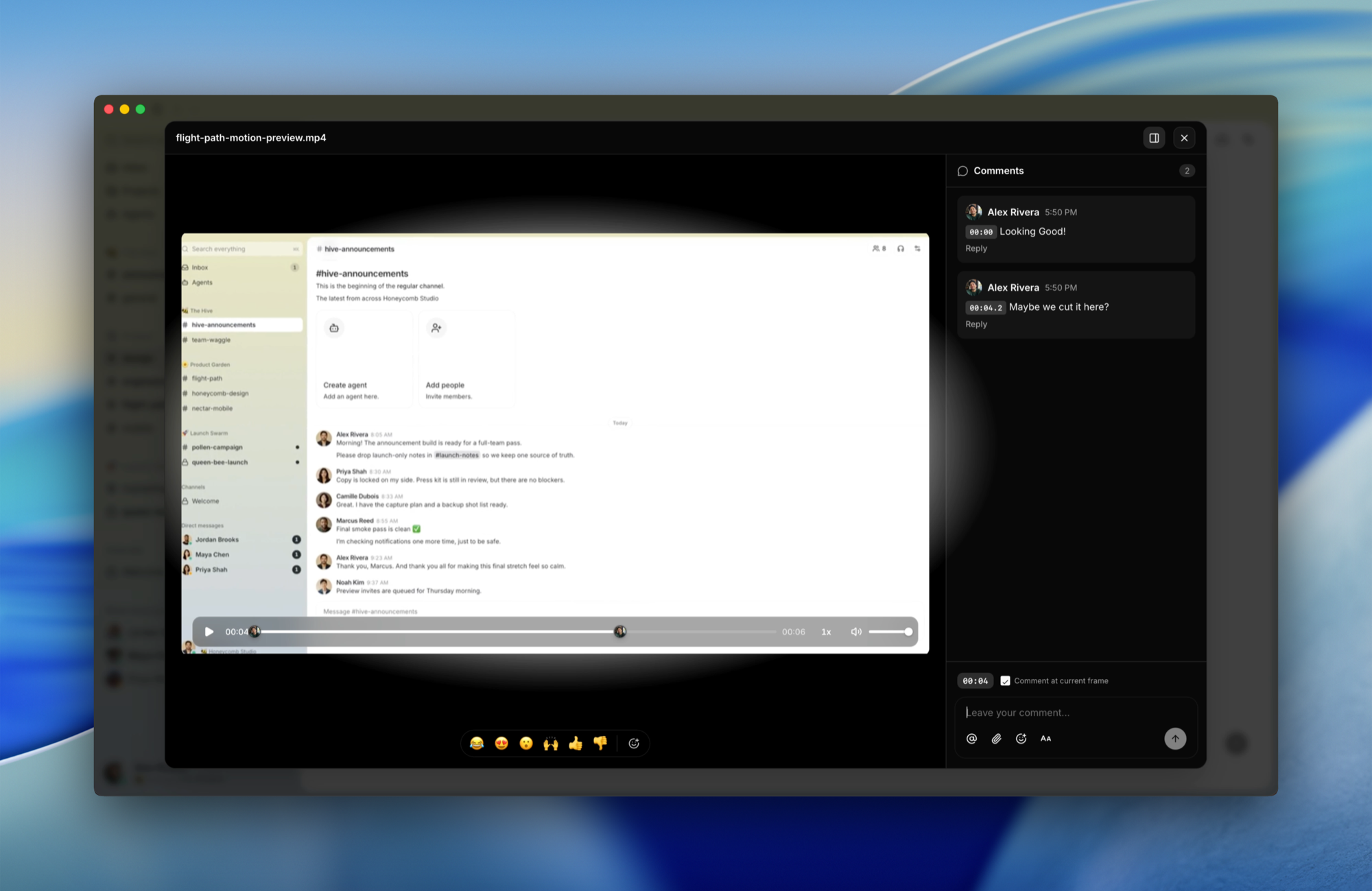
Block has launched Buzz, a free open-source workspace that treats AI agents as account-holding collaborators rather than prompt-driven chatbots. The product matters because Block is positioning it against the Slack-and-GitHub stack many engineering teams already use, while trying to make agent activity auditable inside the same system where work is discussed and reviewed.
Buzz is available now under an Apache 2.0 license, with desktop apps for macOS, Windows and Linux. Block said hosted access is free during beta, but it has not disclosed future pricing, adoption figures or usage metrics beyond its own use of the software.
The workspace includes standard collaboration features: channels, threaded discussions, direct messages and voice. Its differentiator is that agents can be added as members with their own permissions. According to Block, those agents can write in conversations, review code, trigger automated workflows and participate in team discussions in ways that resemble a human colleague’s role in a software organization.
The company’s bet is that agent identity will become a control point as more code and operations work is delegated to automated systems. Buzz is built on Nostr, a decentralized messaging protocol. Each agent receives its own cryptographic keypair that is not dependent on the workspace provider. A second signature connects the agent to a human owner, which Block says creates a verifiable record of what the agent did and who was responsible for it.
That design is aimed at a real problem in enterprise AI deployments: attribution. If agents are creating pull requests, commenting on architecture decisions or starting automations, teams need more than a shared bot account and a chat transcript. Block describes Buzz as producing a cryptographic audit trail, though the company has not published customer case studies or third-party validation for the approach.
Built for multiple agent stacks
Block says Buzz is agent and model agnostic. At launch, it works with Anthropic’s Claude Code, OpenAI’s Codex and Block’s own goose framework through the Agent Client Protocol, an open standard for connecting coding agents to developer tools. Teams can either operate their own Nostr relay or use Block’s hosted relay during the beta period.
Buzz also includes a software forge for git hosting. In Block’s model, feature branches can become workspace channels, while patches, continuous integration output and review comments sit alongside the related discussion. That puts the product closer to a combined collaboration and development environment than a general-purpose chat app with AI integrations bolted on.
The release extends Block’s broader open-source work around agents. The company released goose, an open framework for AI agents, in early 2025. In December, Block joined the Linux Foundation’s Agentic AI Foundation alongside Anthropic and OpenAI. Block Chief Executive Jack Dorsey has previously argued that AI should change how organizations coordinate work, rather than act only as an added productivity tool.
Bradley Axen, Block’s head of AI capabilities, framed the launch as a choice between open and proprietary infrastructure for human-agent collaboration in the company’s announcement. That framing is familiar from Block’s other open-source efforts, but Buzz is still early software. Version 0.4.22 shipped at launch, and Block said mobile clients and workflow approval gates are not finished.
For buyers and engineering leaders, the unanswered questions are practical: whether teams want their chat, code review and agent orchestration in one system, whether Buzz can satisfy enterprise governance requirements, and what Block eventually charges for hosted infrastructure. For now, the release gives developers a working open-source option in a category that is still being defined by vendor claims more than production benchmarks.
This story draws on original reporting from SiliconANGLE.