Neill Blomkamp releases AI-generated short film Nightborne
The District 9 director used Seedance 2.0 for a 13-minute sci-fi horror short and says he plans a feature in the same format.
By Wei-Lin Zhao · AI Correspondent
· 3 min read
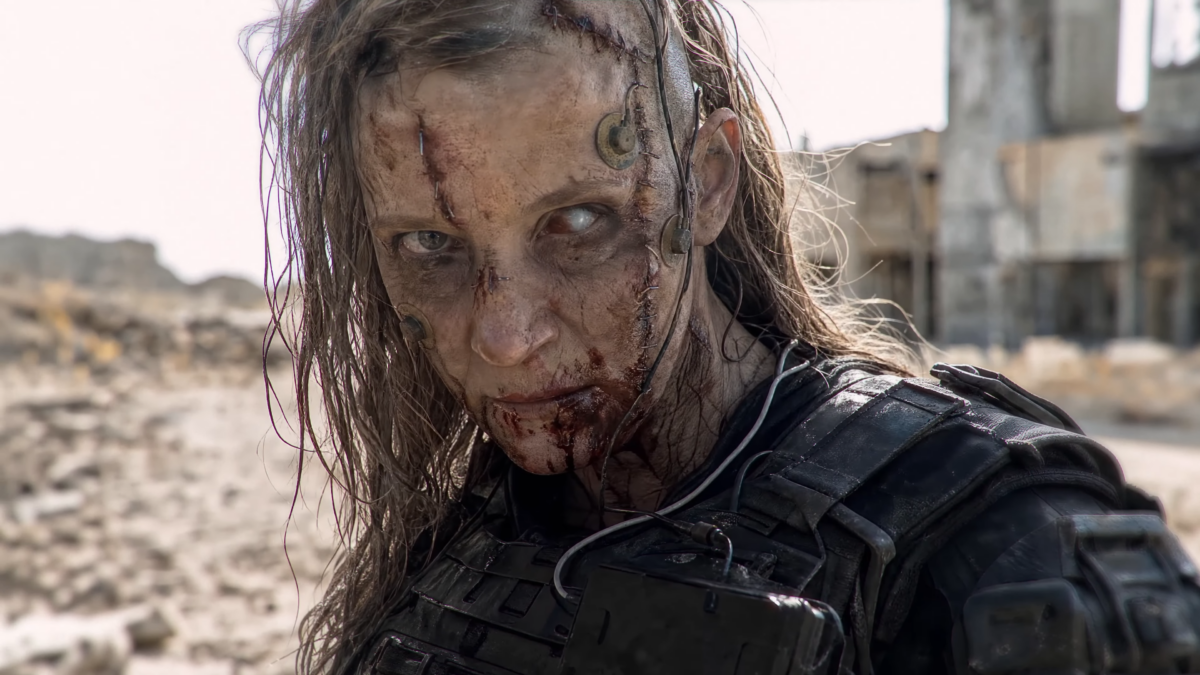
Neill Blomkamp has released Nightborne, a 13-minute sci-fi horror short that he says was generated entirely with AI video tools, using ByteDance’s Seedance 2.0 model. No production budget, licensing costs or commercial terms were disclosed, which leaves the project more useful as a signal of where AI film production is heading than as a benchmark for unit economics.
The film was published on YouTube by Barley Studios, a new AI film studio founded by Blomkamp, the director best known for District 9. According to the release details, Blomkamp directed the short frame by frame through text prompts rather than through a conventional live-action shoot.
Nightborne is presented in a documentary style. Its story follows a U.S. pilot believed to be dead and a covert military program that returns fallen soldiers to combat. The short is available in 4K on YouTube through Barley Studios, which had 877 subscribers at the time listed in the release material.
The production was not a fully human-free process. The faces and voices of 32 real people were used under licensing agreements, and human artists made the concept art. The terms of those licenses were not disclosed, nor were details on how much human editing, compositing or post-production was involved beyond the use of Seedance 2.0 and prompt-based direction.
Blomkamp plans a feature-length AI film
Blomkamp said on X that he now intends to make a feature-length film using the same format. He has also founded Barley Studios, described as a successor to Oats Studios, the traditional film studio associated with his earlier short-form work.
That makes Nightborne less a one-off experiment than a public proof of process for a filmmaker with commercial genre credentials. The project arrives as video generation models are being tested for previsualization, pitch materials, short-form content and, increasingly, finished footage. The unresolved question for production companies is whether these tools reduce costs and timelines enough to justify new legal, labor and quality risks.
Those risks remain material. AI video has drawn pushback in creative industries over training data taken from creative work without consent, potential displacement of artists and crew, copyright exposure and concerns that output quality will degrade professional standards. The use of licensed likenesses in Nightborne addresses one part of that debate, but it does not answer how the underlying model was trained or how rights clearance will work at feature scale.
For studios and investors watching AI media companies, the notable part is not that an AI short exists. The more relevant development is that an established director is attaching his name, workflow and a new studio to the format. Barley Studios has not disclosed funding, headcount, customers or revenue, so its current scale is unclear. Its first public release puts the company in the group of AI-native production efforts trying to show that generated video can move from demo reels into directed narrative work.
This story draws on original reporting from The Decoder.