Syntetica raises $30 million Series A for nylon recycling plant
Bpifrance led the Paris startup’s Series A, with Lululemon, MAS Holdings, SWEN Capital Partners, Indorama Ventures and EQT Ventures joining.
By Ingrid Halvorsen · Venture Capital Reporter
· 3 min read
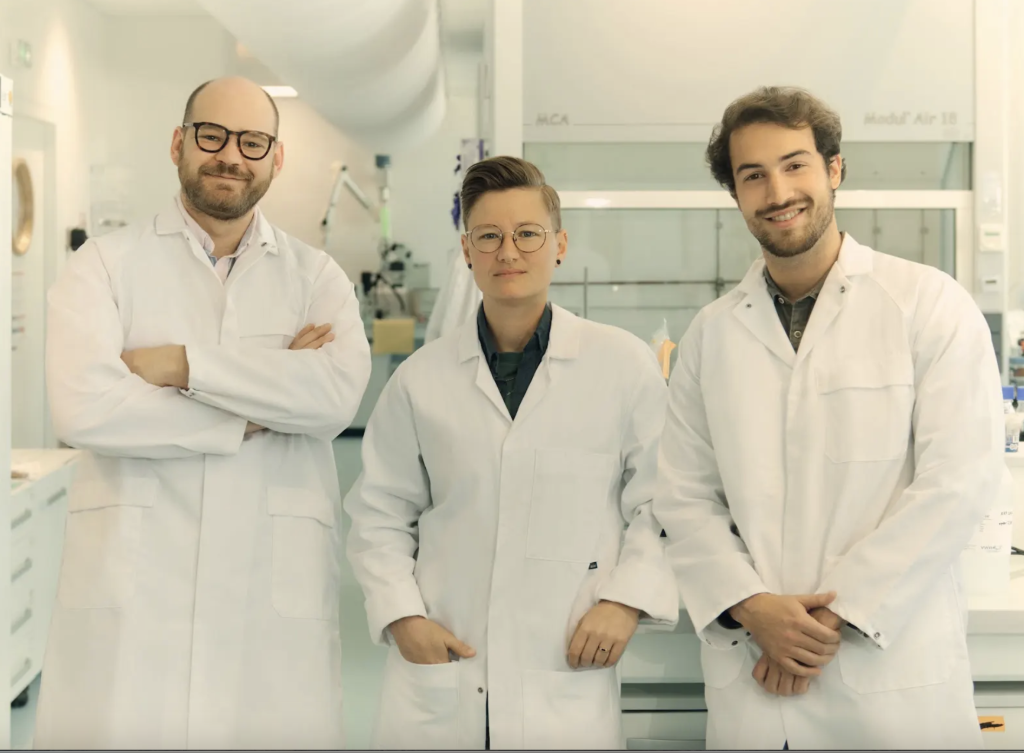
Paris-based Syntetica has raised a $30 million Series A to scale its nylon recycling technology, with Bpifrance’s Ecotechnologies fund leading the round. The deal matters for fashion and materials buyers because Syntetica says its process can recycle the two main forms of nylon together, a bottleneck that has limited textile-to-textile recycling.
The company did not disclose a valuation, revenue, headcount or commercial volumes. It said the new capital will go toward building a commercial demonstration facility in France in partnership with Michelin.
Investors in the round include Lululemon, clothing manufacturer MAS Holdings, SWEN Capital Partners and Indorama Ventures, the venture arm of Singaporean materials manufacturer Indorama Ventures. Existing backers EQT Ventures, the Peugeot family office and the Etam family office also participated.
Syntetica was founded in 2023 and raised a €4.2 million seed round in 2024. The Series A brings in both financial investors and companies tied to the textile and materials supply chain, including a consumer brand, a garment manufacturer and a materials group. Syntetica also said it is already working with brands including Victoria’s Secret and Etam, though it did not specify the scale or commercial terms of those relationships.
The technical claim
Nylon is used across consumer and industrial categories, including clothing, tents, toothbrushes and kitchen utensils. Syntetica is focused on a recycling problem created by the material’s chemistry: the two most common types of nylon have different structures and have typically required different recycling processes.
Syntetica says it has patented a process that can handle both forms of nylon in one recycling stream. If it works at commercial scale, that would reduce the need to identify and separate nylon types before processing, a step that adds cost and complexity to recycling operations.
Marco Bertone, Syntetica’s cofounder and CEO, said mixed nylon waste has long been viewed by the industry as too complex and expensive to recycle at scale. He said the company has shown that valuable materials can be recovered from waste streams that the sector has historically written off.
The company’s next test is whether that claim holds outside a startup setting. The planned French demonstration facility with Michelin is the use of proceeds Syntetica has disclosed, and it will be the clearest signal of whether the technology can move from process development into industrial deployment.
Why investors are looking at the category
The textile recycling market remains underbuilt relative to the amount of material produced. According to a 2024 analysis by BCG cited by Syntetica’s backers, less than 1% of global recyclable clothing was remade into textiles.
That gap has created room for startups trying to make recycling work for specific material streams, but it has also put pressure on them to prove economics, quality and supply consistency. Syntetica’s round adds another European climate tech company to that race, with strategic participation from brands and manufacturers that could benefit if nylon waste becomes a more usable input.
The company has not said when the French facility will open, what capacity it will have or when it expects to reach full commercial production.
This story draws on original reporting from Sifted.