NTSB says Tesla driver pressed accelerator to 100% before fatal Texas crash
A preliminary NTSB report says FSD was active, but driver input overrode it before a crash that killed 76-year-old Martha Avila.
By Renata Fuchs · Policy Reporter
· 3 min read
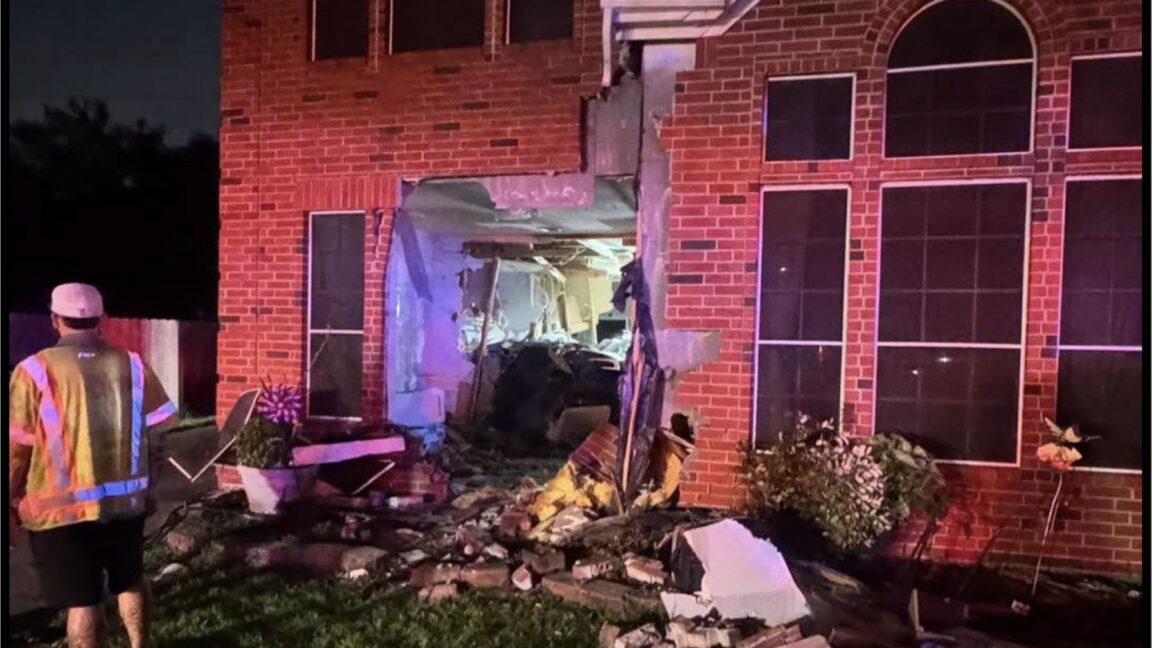
The National Transportation Safety Board said a Tesla driver pressed the accelerator pedal fully in the seconds before a fatal Texas crash, supporting Tesla’s earlier account that the vehicle’s Full Self-Driving system had been overridden. The agency’s preliminary findings do not assign a cause for the crash, but they add a key data point in a case now involving criminal charges, a family lawsuit and federal safety investigations.
The crash killed 76-year-old Martha Avila after a Tesla driven by 44-year-old Michael Butler struck a residence in a residential area. Butler had told police that Tesla’s autopilot feature was active at the time, according to an ABC News report. Tesla CEO Elon Musk disputed that account on X, saying the driver must have overridden Full Self-Driving because the crash happened at high speed on neighborhood streets.
Ashok Elluswamy, Tesla’s vice president of AI software, also said before the NTSB report that Tesla’s internal data showed the driver manually overrode the system by pressing the accelerator pedal to 100 percent. The NTSB’s preliminary report said electronic data showed Full Self-Driving (Supervised) was engaged, and that the driver overrode it by pressing the accelerator pedal fully.
That is a narrower finding than a final crash determination. The NTSB said all parts of the crash remain under investigation while it works toward a probable-cause finding and possible safety recommendations. The National Highway Traffic Safety Administration has also opened a special investigation.
Phone records and vehicle data are central to the case
ABC News reported that Texas police searched Butler’s phone with his consent and found he was working as a DoorDash driver when the crash happened. The phone data showed the Tesla had completed several earlier delivery stops without reported problems, according to ABC News.
Butler allegedly told police he had “passed out” and did not remember leaving the highway or entering residential streets, ABC News reported. The outlet also reported that searches on his phone included phrases about Tesla FSD being “not aggressive enough” and “too timid.”
ABC News reported that in the six seconds before the crash, the Tesla went above 70 mph and continued straight after the accelerator pedal was fully depressed. The NTSB said security-camera footage showed the vehicle continue through an intersection, leave the road and hit the home.
Butler has been charged with manslaughter and jailed, with bond set at $150,000, according to ABC News.
Family lawsuit also names Tesla
Avila’s surviving family has sued Butler and Tesla, alleging both may have been negligent. Police initially found no evidence of a mechanical malfunction, according to ABC News, but the family’s lawsuit alleges the vehicle may have been defective.
The lawsuit points to a claimed Tesla defect described as “Sudden Unintended Acceleration.” According to the family’s allegations, battery power demands could create system spikes that cause the inverter to misread accelerator input and rapidly increase speed. Those claims have not been resolved by the NTSB’s preliminary report.
For Tesla, the immediate significance is limited but material: federal investigators said FSD was engaged, yet vehicle data showed full accelerator input by the driver. What remains unanswered is why that input occurred, whether any vehicle system contributed to the crash, and what findings regulators will make after completing their investigations.
This story draws on original reporting from Ars Technica.