Mobile support case turned on a charger left in the box
A Register reader said a first-time mobile user kept replacing batteries because she had not found the charger included with the phone.
By Dominic Okoye · Staff Writer
· 2 min read
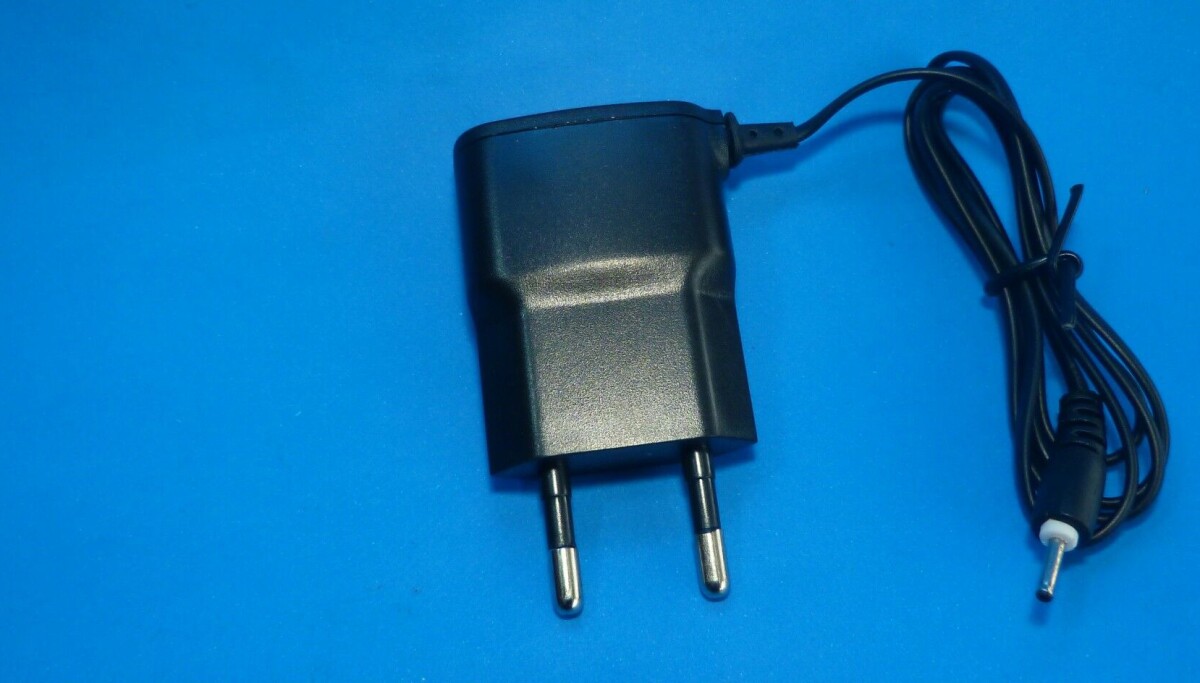
A tech support worker for a supermarket-branded mobile service resolved an angry return request after finding that the customer had never used the charger shipped with her handset. The account, published by The Register in its On Call column, is a small support story from 2006, when many mobile phones still used removable batteries and first-time buyers could reasonably bring assumptions from other battery-powered devices.
The Register identified the support worker under the pseudonym “Steve.” He said the incident occurred early in his IT career while he was handling calls for the mobile service. According to Steve, a customer contacted support after two weeks with her first mobile phone and said she wanted to return it as defective.
The problem, as described by Steve, was not the handset. The customer believed the phone itself should remain useful for years, but she had already purchased a third battery to keep it operating. Steve worked out that each time the phone ran out of charge, the customer treated the removable battery as a spent consumable and replaced it rather than recharging it.
Steve then asked whether she was using the charger supplied with the phone. The customer did not know one had been included. He asked her to check the original packaging, where she found the charger beneath a cardboard layer, according to his account to The Register.
A routine support failure with a durable lesson
The story is not a product launch, outage, funding round or technical breakthrough. The value for operators is more basic: support teams often see failures caused by packaging, onboarding and assumed knowledge rather than by broken hardware or software.
In this case, the customer’s mental model was coherent. Many household devices use disposable batteries, and removable phone batteries in the mid-2000s made the wrong conclusion easier to reach. The missing step was not technical repair. It was getting the user to inspect the box and locate an accessory the product depended on.
The Register did not name the supermarket mobile service, the phone model or the customer. It also did not say whether the customer had already returned any batteries, how much she had spent, or whether the support interaction changed the retailer’s packaging or setup process.
The incident fits a familiar pattern in front-line IT support: users frequently report a device as faulty when the underlying issue is power, cabling, missing accessories or setup instructions that were not seen. For hardware companies and service operators, the cost shows up in call time, returns pressure and customer frustration, even when the device is working as designed.
This story draws on original reporting from theregister.