Judge approves Musk’s $1.5 million SEC deal despite objections
A federal judge said she had serious concerns about the SEC’s settlement with Elon Musk, but found she lacked grounds to block it.
By Dominic Okoye · Staff Writer
· 4 min read
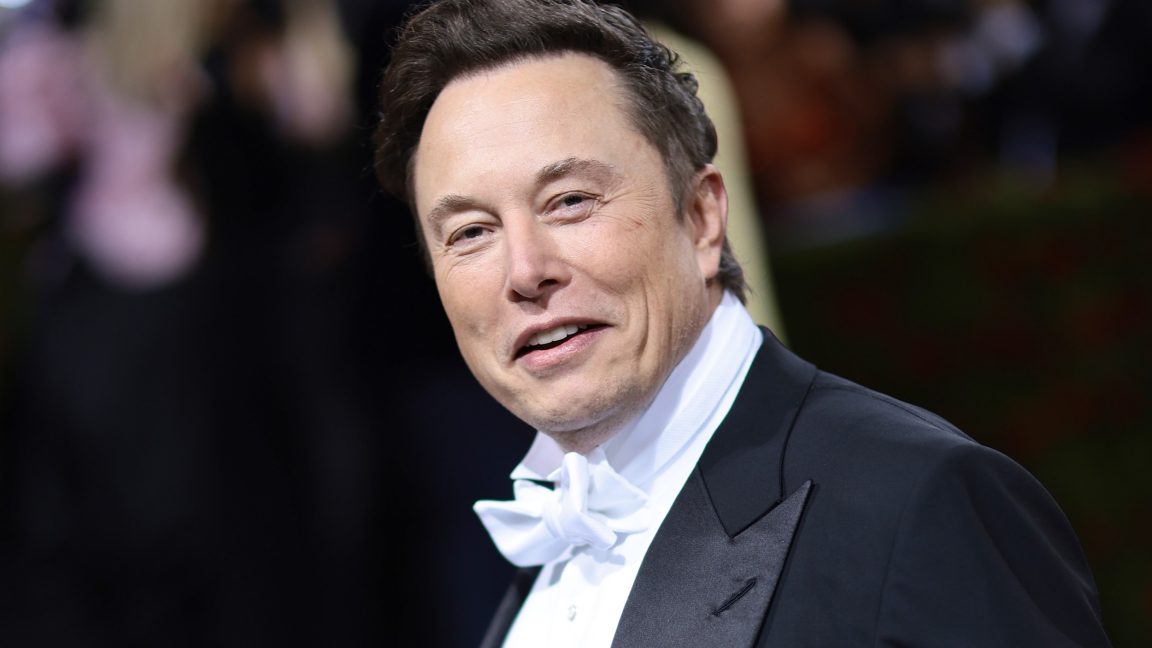
A federal judge approved a $1.5 million settlement between Elon Musk and the Securities and Exchange Commission, ending a case over Musk’s late disclosure of a 9% Twitter stake in 2022. The deal matters for public-market enforcement because the SEC had alleged Musk’s delay let him underpay Twitter investors by at least $150 million, yet the settlement requires no disgorgement and no admission of wrongdoing.
U.S. District Judge Sparkle Sooknanan approved the consent judgment while making clear she was not endorsing the SEC’s choices. In her order, Sooknanan said she had “significant misgivings” about the agreement and saw “red flags” in the agency’s handling of the case. She concluded, however, that precedent gives courts limited room to reject settlements reached by enforcement agencies and defendants.
The case was filed in January 2025 by the Biden-era SEC in federal court in Washington, D.C., shortly before President Biden left office. The Trump-era SEC later agreed to settle with Musk through a trust in Musk’s name, rather than with Musk personally.
The disputed Twitter disclosure
The SEC accused Musk of violating Section 13(d), the rule requiring investors to disclose certain large equity positions within 10 days. According to the SEC, Musk continued buying Twitter shares after the disclosure deadline passed, before the market had information about his position. The agency alleged that the delay allowed him to buy at artificially low prices and deprived sellers of at least $150 million.
Musk later acquired Twitter outright in 2022. The SEC spent nearly three years investigating before filing suit.
Sooknanan contrasted the agency’s earlier position with the final settlement. She wrote that the SEC had previously sought disgorgement “in the ballpark of $150 million,” while the consent judgment imposes a $1.5 million civil penalty. The judge said that amount, although described as the largest penalty in the SEC’s history for this kind of violation, is about 1% of the money potentially at issue.
A trust takes Musk’s place
Under the settlement, a trust associated with Musk pays the civil penalty to the government. The trust, rather than Musk personally, is also subject to an injunction against future violations of the disclosure rule. The trust and Musk admit no wrongdoing.
Sooknanan said the structure appeared to bind Musk in his capacity as trustee, but she questioned the effect of naming the trust instead of Musk. She wrote that the arrangement allows Musk to say publicly that he has been cleared of wrongdoing.
The SEC told the court that Musk requested substituting the trust into the settlement and that the agency accepted the structure as part of a compromise. Sooknanan said the SEC admitted it had not previously settled a Section 13(d) case with a trust without the trustee or beneficiary also being a party. She called the trust an unusual vehicle for that precedent because Musk is its sole trustee and beneficiary and the trust is revocable.
The SEC also dropped its request for disgorgement. Sooknanan wrote that the agency chose relief that sends money to the government rather than compensation to alleged victims. The SEC told the court it has statutory authority to seek disgorgement but had not historically obtained it in this category of case.
Limited power to reject the deal
Sooknanan had previously told the parties she would not rubber-stamp the settlement and asked whether Musk was receiving special treatment. In the final order, she said the court’s task was narrower: to decide whether the consent judgment met minimum standards of fairness and reasonableness, and whether improper collusion or corruption tainted it.
The judge found that the deal cleared that threshold. She wrote that both sides were represented by experienced lawyers and had weighed the costs and risks of continuing the litigation.
Sooknanan said the settlement advances the disclosure statute by imposing a penalty and including an injunction against future violations. But she also wrote that the court could not substitute its judgment for the SEC’s, even though the agency’s decision-making raised concerns.
For Musk, the settlement removes one federal securities case tied to the Twitter takeover without an admission of liability and at a fraction of the amount the SEC once said was at stake. For the SEC, the order closes the case while leaving a record of judicial skepticism about how the agency treated one of the market’s most visible executives.
This story draws on original reporting from Ars Technica.