Colorado ballot measure would add gas sales right to constitution
Advance Colorado’s Initiative 177 would protect natural gas sales, raising stakes for electrification rules, utilities and building decarbonization in the state.
By Renata Fuchs · Policy Reporter
· 3 min read
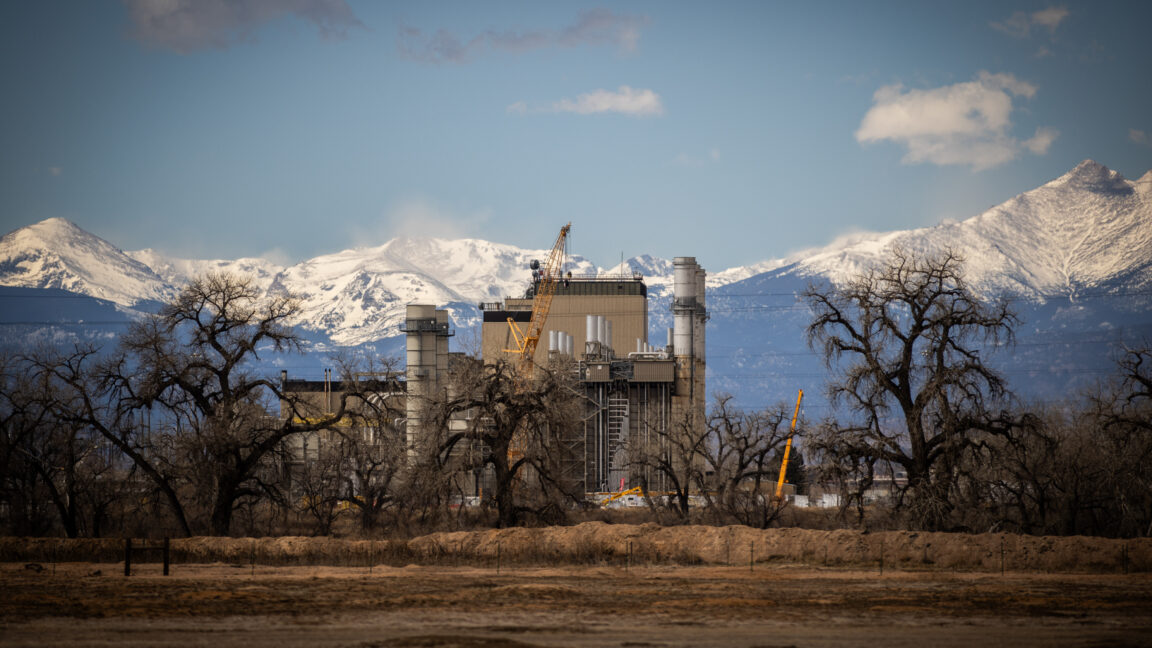
Advance Colorado has submitted petitions to put Initiative 177, a proposed “Right to Natural Gas” amendment, before Colorado voters in November after more than $1 million was spent this year on signature collection. If approved, the 60-word amendment would put into the state constitution a right for producers and utilities to sell natural gas to homes and businesses, a move that could undercut local building codes designed to push new construction and heating systems toward electricity.
The measure, filed June 25 by the conservative nonprofit, would need 55 percent support to become part of the Colorado Constitution. Advance Colorado did not respond to requests for comment, but an April report from the group argued that regulation adds hidden consumer costs and said Colorado should protect energy choice. The same report said decarbonization and electrification efforts would have a “devastating impact on Colorado.”
Opponents say the language is broad enough to force changes in local rules that limit gas hookups or require electric equipment in buildings. Kelly Nordini, CEO of Conservation Colorado, called the measure “a cynical attempt to lock fossil fuel industry profits into the state constitution,” and said it lacks provisions for public health and safety.
That breadth is the unusual part. Michael Burger, executive director of the Sabin Center for Climate Change Law at Columbia University, said the proposal would be the first constitutional amendment creating a right tied to a specific fossil fuel. A constitutional amendment would carry more force than the state-level preemption laws already adopted elsewhere.
Similar fights have played out across the country as cities and states test building electrification rules. From 2020 through 2024, 26 states passed laws blocking policies that would require a shift away from methane gas use, according to research cited by Inside Climate News. Utah, for example, enacted a 2021 law barring restrictions on gas utility connections.
Colorado’s proposal arrives while the state is trying to reduce building emissions. The state gets about one-third of its electricity from methane gas, and roughly 70 percent of homes use it for heating, according to federal energy data cited in the report. In 2022, the Colorado Public Utilities Commission set a rule requiring emissions from building heat to fall 41 percent by 2035.
The policy conflict is already visible in municipal codes. Denver adopted a 2022 policy requiring heat pumps when residential or commercial heating systems need major repairs. Crested Butte requires new construction to be all-electric, including heating, boilers and cooking. If Initiative 177 passes, those rules would likely need to be revised to preserve gas sellers’ access to homes and businesses.
State incentives have also shown demand for electrification. Colorado released $31.89 million in Inflation Reduction Act-funded rebates in November 2025 for home energy improvements, including electric heat pumps. Only $3.5 million remained, and homeowners in the eastern half of the state reserved four years of available rebates within six months, according to the Colorado Energy Office.
The campaign is also a test of Colorado’s ballot-measure politics. Over the past three years, Advance Colorado and other conservative nonprofits have spent more than $8.6 million on canvassing for initiatives written by Advance Colorado, according to campaign finance disclosures. Since 2023, Advance Colorado, Colorado Dawn, Defend Colorado and Common Sense America accounted for nearly all of the roughly $10 million in reported citizen spending on ballot initiative canvassing in the state.
Advance Colorado is not required to disclose its donors. Conservation Colorado has filed a campaign finance complaint alleging that Advance Colorado failed to register an issue committee and disclose all campaign-related spending.
The oil and gas industry remains a large presence at the Capitol. State lobbying disclosures show Chevron, Civitas and Kinder Morgan registered 21 lobbyists for the 2025 session, while industry groups registered at least 16 more. In 2023, Civitas, the American Petroleum Institute and the Colorado Oil and Gas Association supported a failed bill that would have barred local building codes from limiting natural gas use.
This story draws on original reporting from Ars Technica.