BLM grazing overhaul would limit public input on 155 million acres
The Interior Department proposal would expand livestock grazing on western public lands while narrowing who can challenge permit decisions.
By Renata Fuchs · Policy Reporter
· 4 min read
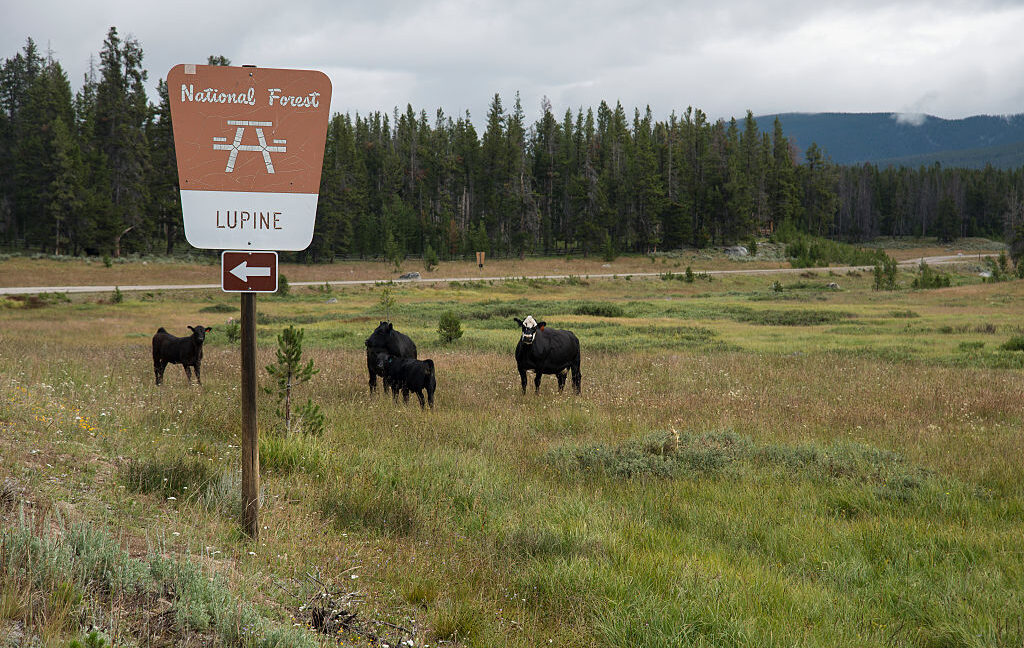
The Interior Department’s Bureau of Land Management is proposing the first major rewrite of federal public lands grazing rules since 1995, covering 155 million acres in the West. The changes would make it easier to put more cattle, sheep and other livestock on federal land while reducing public participation in permitting decisions, according to reporting by ProPublica and High Country News.
The BLM released the proposed regulations in May and said in a June announcement that the changes reflect the Trump administration’s goal of reducing regulatory burdens, supporting working lands and strengthening local economies. The agency did not answer questions from ProPublica and High Country News. After public comment, the proposal is expected to return to the agency in mid-July for further review.
Public lands grazing is a nearly century-old federal system. ProPublica and High Country News reported last year that it heavily subsidizes some wealthy land users and has not adequately addressed environmental damage. The outlets also reported that in 2024 the federal government charged ranchers $284 million below market rates for use of public lands.
Public input would be narrowed
The proposal would change who qualifies as the “interested public” in grazing decisions. Under the draft, members of the public would need to show a “cognizable” interest in the grazing decision at issue. The BLM did not define the term when asked by ProPublica and High Country News. A former senior BLM official told the outlets that the change would likely raise the threshold for advance notice and comments.
The draft also removes a requirement that the agency include the public in “consultation, cooperation and coordination,” the process used to gather feedback before actions such as authorizing grazing. Current and former BLM employees told ProPublica and High Country News that the change would narrow participation. One current rangeland management employee, speaking anonymously because they still work for the agency, said the proposal appears designed to reduce involvement by anyone other than ranchers.
Nada Culver, who served as BLM deputy director during the Biden administration, told the outlets that much of the proposal is devoted to explaining why the public would no longer participate in many steps of the process. She also said parts of the draft would make it harder for agency staff to require ranchers to remove animals from damaged land.
Ranching groups see flexibility
Ranching trade groups have backed the rewrite. Tim Canterbury, president of the Public Lands Council, called the update “a massive step forward” in a news release, arguing that existing rules grew out of 1990s opposition to public lands ranching and have limited use of newer science and management practices.
Current and former BLM employees also identified some provisions they considered practical, including a requirement to study ecological impacts across all uses of public lands, rather than focusing those reviews on livestock. They also cited informal handling of minor grazing violations, updates tied to court decisions and laws, and more flexibility for local range management.
Conservation groups and tribal representatives told ProPublica and High Country News that they were not given input before the draft was published. Josh Osher, public policy director of Western Watersheds Project, said the rules could lead to more cattle and sheep on public lands and more wildlife impacts.
Industry influence and bison concerns
The National Cattlemen’s Beef Association and Public Lands Council publicly noted meetings with Interior and Agriculture department leaders this spring. A memorandum of understanding allowed the groups to provide guidance to the departments, including on a “Grazing Action Plan” covering regulatory updates. The groups did not respond to requests for comment from ProPublica and High Country News.
The proposal has also drawn scrutiny over Karen Budd-Falen, an Interior Department official and longtime grazing advocate whose family is in ranching. She was barred from discussing grazing policy during the first Trump administration because of potential conflicts, according to the reporting, but received an ethics waiver after rejoining the department.
Tribal representatives said a requirement that livestock operations be “production-oriented” could threaten bison grazing permits used for cultural practices or land restoration. OJ Semans Sr., a Rosebud Sioux Tribe member and executive director of the Coalition of Large Tribes, said the coalition is concerned about the draft.
Mark Squillace, a University of Colorado Law School professor focused on natural resources, told ProPublica and High Country News that allowing grazing to continue automatically while ranchers appeal adverse decisions could encourage appeals and delay limits on harmful practices. The proposal also would make it easier to justify livestock grazing as wildfire fuel reduction, by treating herds as a tool for removing vegetation.
This story draws on original reporting from Ars Technica.