Self Inspection funding brings $10 million for vehicle-condition data
Self Inspection raised $10 million to expand its AI-assisted inspection platform for dealers, lenders, fleets and resale markets.
By Marcus Adeyemi · Startups Editor
· 3 min read
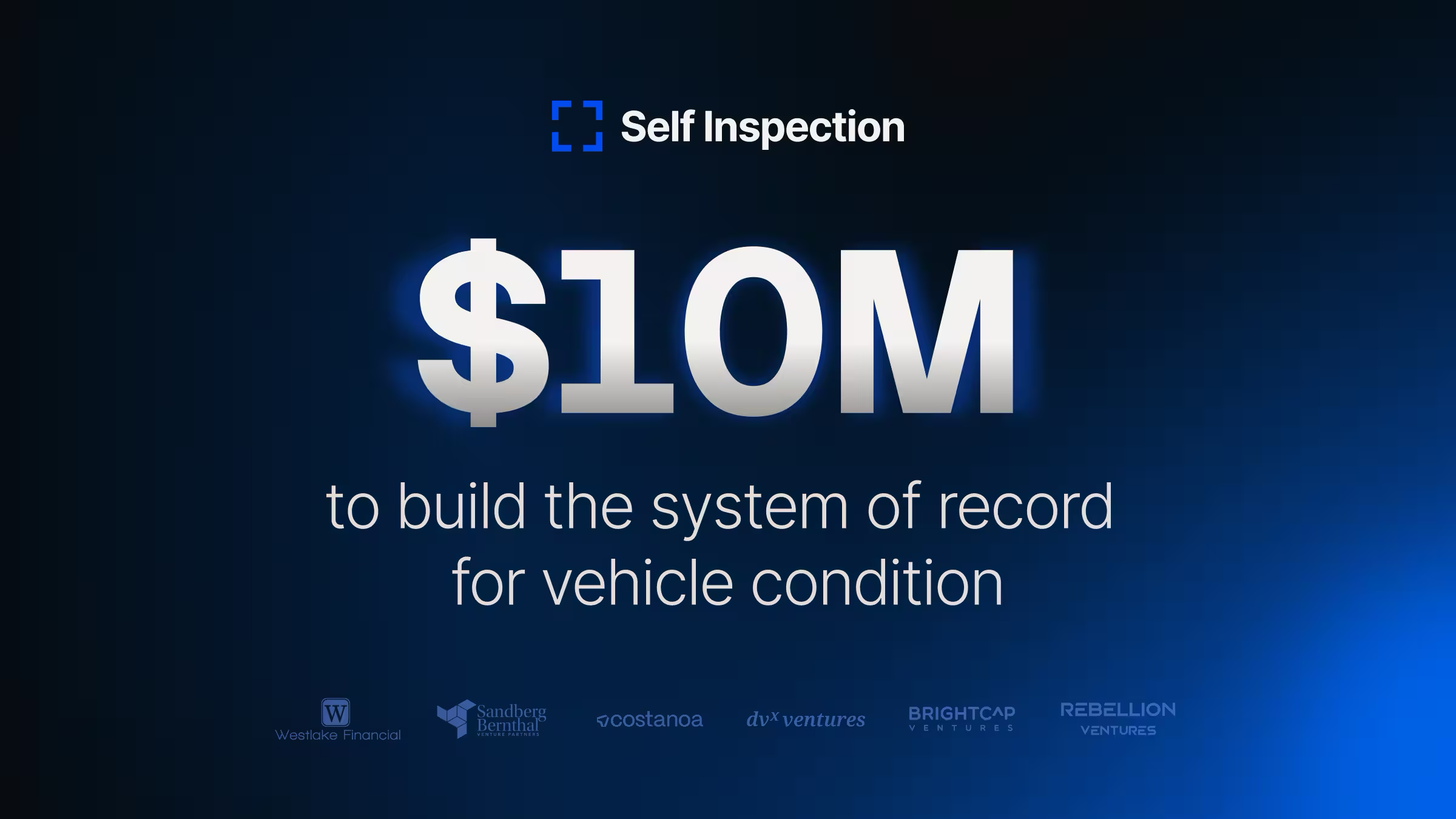
Self Inspection raised $10 million in funding led by Sandberg Bernthal Venture Partners, adding capital for an AI-assisted vehicle inspection platform that aims to standardize condition data across automotive commerce. The Self Inspection funding round is a venture-backed bet that dealers, lenders, rental fleets and resale channels need a shared record of a car’s physical state, rather than separate inspection files that vary by operator.
Strategic investors U.S. AutoForce, a tire distributor owned by U.S. Venture, and Westlake Financial joined the round. Costanoa Ventures, Rebellion Ventures and BrightCap Ventures also participated, along with earlier backers including DVx Ventures, founded by former Tesla president Jon McNeill, and Karim Bousta, a former Tesla worldwide service executive.
The company did not disclose its valuation, revenue, headcount or ownership sold in the round. It also did not provide prior financing totals.
What does Self Inspection do?
Self Inspection makes phone-based software for capturing and reviewing vehicle condition. A user follows a guided image-capture process, after which the platform identifies damage, creates a standardized condition report and keeps an auditable record tied to the vehicle.
The company describes that record as a system of record for vehicle condition, meant to follow a car from sale or origination through refinancing, remarketing or retirement. Founded by veterans of Apple, NVIDIA and the auto industry, Self Inspection is positioning the product as infrastructure for automotive transactions that are increasingly handled through digital workflows.
Vehicle condition is a data problem because a car can move among consumers, rental operators, dealers, lenders, auctions and marketplaces, with each party often relying on its own inspection process. Inconsistent records can affect valuations, loan decisions, disputes and resale timing. A standardized inspection history gives underwriters, fleet managers and remarketing teams a common dataset to work from.
What is Vehicle Condition Intelligence?
Vehicle Condition Intelligence is structured data about a vehicle’s physical state, collected in a consistent format and used across different points in the auto lifecycle. In Self Inspection’s version, that includes AI-assisted image capture, automated damage detection, standardized reports and inspection histories that can be reviewed later.
The company says it has completed more than 1 million inspections across rental fleets, auto finance companies, auctions and marketplaces. Customers have reported more than 300,000 operational hours saved and more than $80 million in cost reductions, according to Self Inspection.
Auto finance is one of the company’s current use cases. Stellantis Financial Services uses the platform for lease-end inspections and corporate vehicle management, a deployment that points to how lenders and captive finance units may use condition data beyond one-off inspection events.
The strategic investors are also part of the signal in this round. U.S. AutoForce brings exposure to tire distribution, while Westlake Financial brings lending context. Chuck Dauk, chief innovation and transformation officer at U.S. Venture, said tire condition is becoming a valuable data layer for safety, maintenance planning, distribution and asset life.
Self Inspection plans to use the new capital for product development, AI work and deeper enterprise customer relationships. It also plans to expand across North America and Europe, where the company says more vehicle buying, financing, servicing and remarketing activity is moving online.
For investors, the round frames vehicle condition intelligence platform software as a potential data layer in auto commerce rather than a narrow inspection tool. That is the larger bet behind the financing: condition records could become as routine in transactions as vehicle history reports, if enough counterparties agree on the same standard.