US reportedly favors targeted Chinese open models ban
The White House is said to prefer model-specific restrictions as OpenAI and Google DeepMind publicly oppose open-weight AI regulation.
By Wei-Lin Zhao · AI Correspondent
· 3 min read
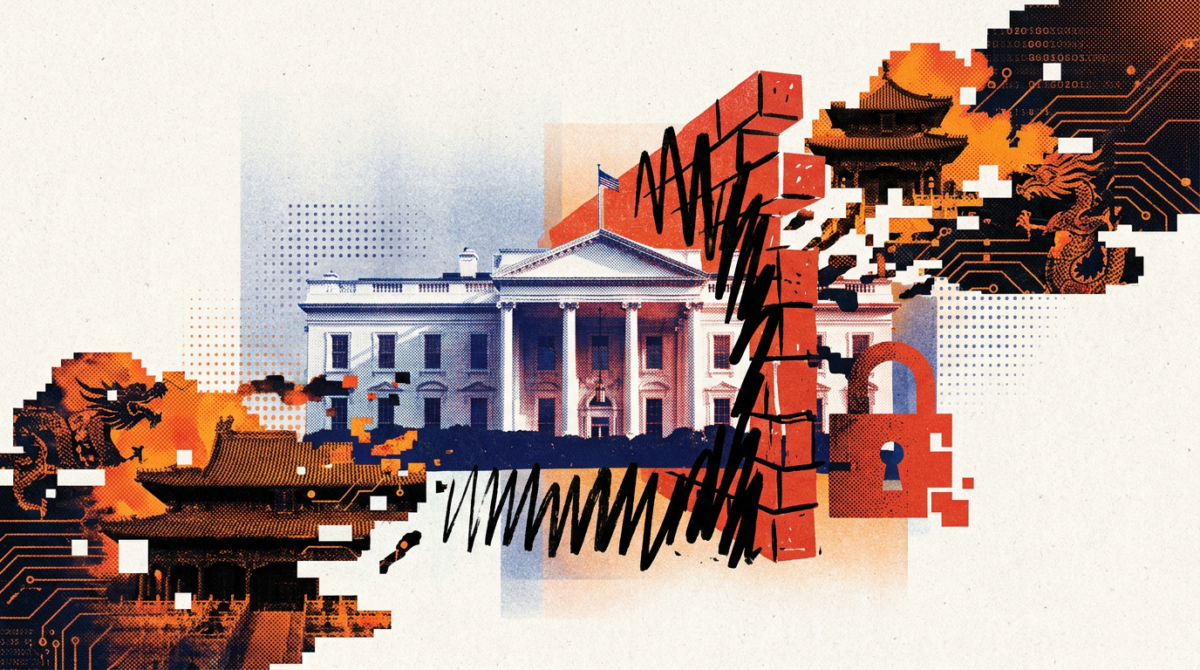
The White House is leaning toward targeted action in a potential Chinese open models ban rather than a broad prohibition on all Chinese open-weight AI systems, according to The New York Times. The approach matters for AI labs, cloud providers and developers because open-weight models are increasingly distributed through commercial platforms as well as direct downloads, and the report did not identify a final rule, timeline or list of affected models.
The reported position comes as the Trump administration prepares tighter limits on Chinese open models over national security concerns. Those concerns center on whether widely available model weights could be used in sensitive areas such as cybersecurity. The Decoder reported that recent open-weight systems can approach the cyber performance of frontier models from only months earlier at lower cost, while also noting that recent Chinese models such as Kimi K3 remain well behind leading Western models on cybersecurity benchmarks.
What would a Chinese open models ban cover?
Under the approach described by The New York Times, restrictions would focus on specific Chinese models rather than impose a blanket ban on the category. Open-weight models make their parameters available so outside users can run or modify them, which makes them harder to control once released than closed API-only systems.
The reported preference for selective bans lands in the middle of a split inside the AI industry. OpenAI and Google DeepMind signed an open letter opposing regulation of open-weight AI models, according to The Decoder. The letter has support from many major technology companies, including companies with direct business interests in open AI distribution.
Microsoft and Google sell access to open models through their cloud and developer services, The Decoder reported. Google DeepMind also develops open models, including the Gemma series. For cloud platforms, open-weight systems can create usage even when the model maker is not the platform owner, which gives incumbents a reason to resist rules that could narrow the pool of models available to customers.
The politics are less clean than the public letter suggests. The New York Times reported that Anthropic and OpenAI have privately pushed for restrictions on Chinese open models, even as OpenAI joined the public statement opposing open-weight regulation. Both companies face price pressure from lower-cost Chinese models, according to The Decoder.
That tension puts the administration’s reported strategy in a narrow lane: address specific security concerns without shutting down an entire technical category that major U.S. platforms and some model developers now use commercially. A targeted ban would still raise practical questions for distribution, cloud hosting and enterprise procurement, especially if model access is restricted through sanctions or informal pressure rather than a single published rule.
No agency action has been announced in the reporting cited, and no affected Chinese model list has been disclosed. Until that changes, companies using Chinese open-weight models face policy risk rather than a clear compliance regime.
This story draws on original reporting from The Decoder.